


BGT


Bangladesh Guided Tours offers private Old Dhaka heritage and food tours, Sonargaon day trips and custom journeys in Bangladesh. Our operational office is in Bangla Motor, Dhaka. Contact us to discuss your travel dates, group size and preferred itinerary. Check each tour’s duration, meeting arrangements, inclusions and price before booking.





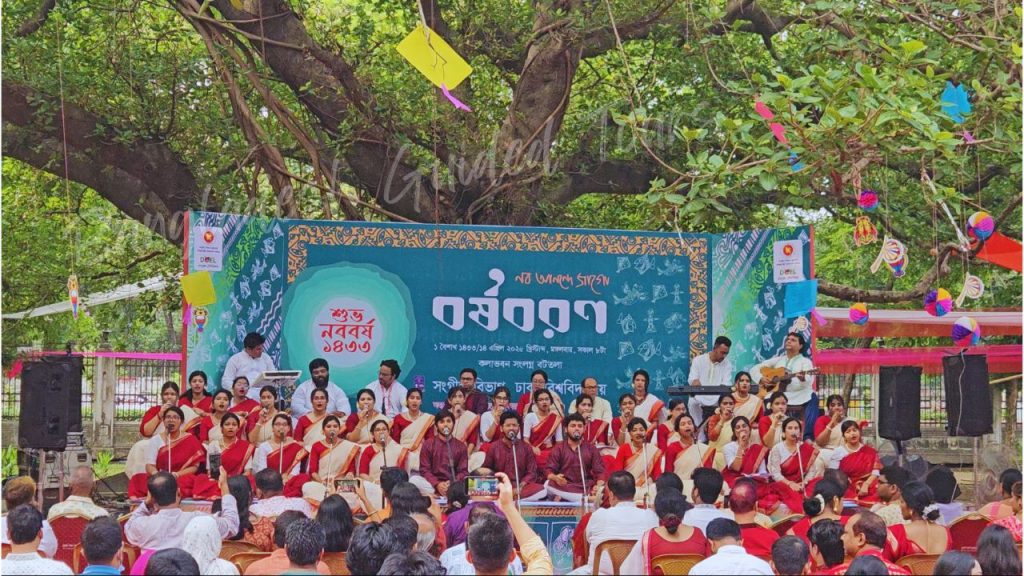
Imagine stepping into a world bursting with vibrant colors, rhythmic drumbeats, and the welcoming smiles of millions celebrating a brand new beginning. This is the Pohela Boishakh celebration, the first day of the Bengali calendar, and it is arguably the most spectacular secular festival in Bangladesh.

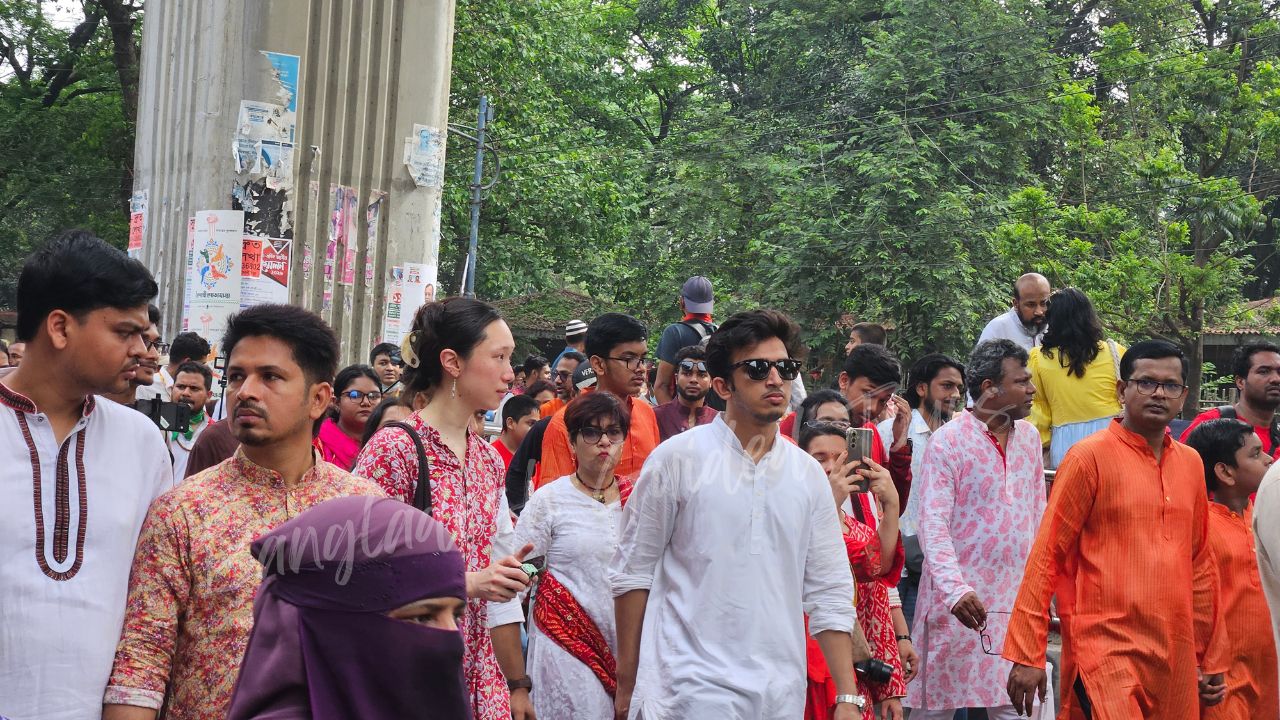
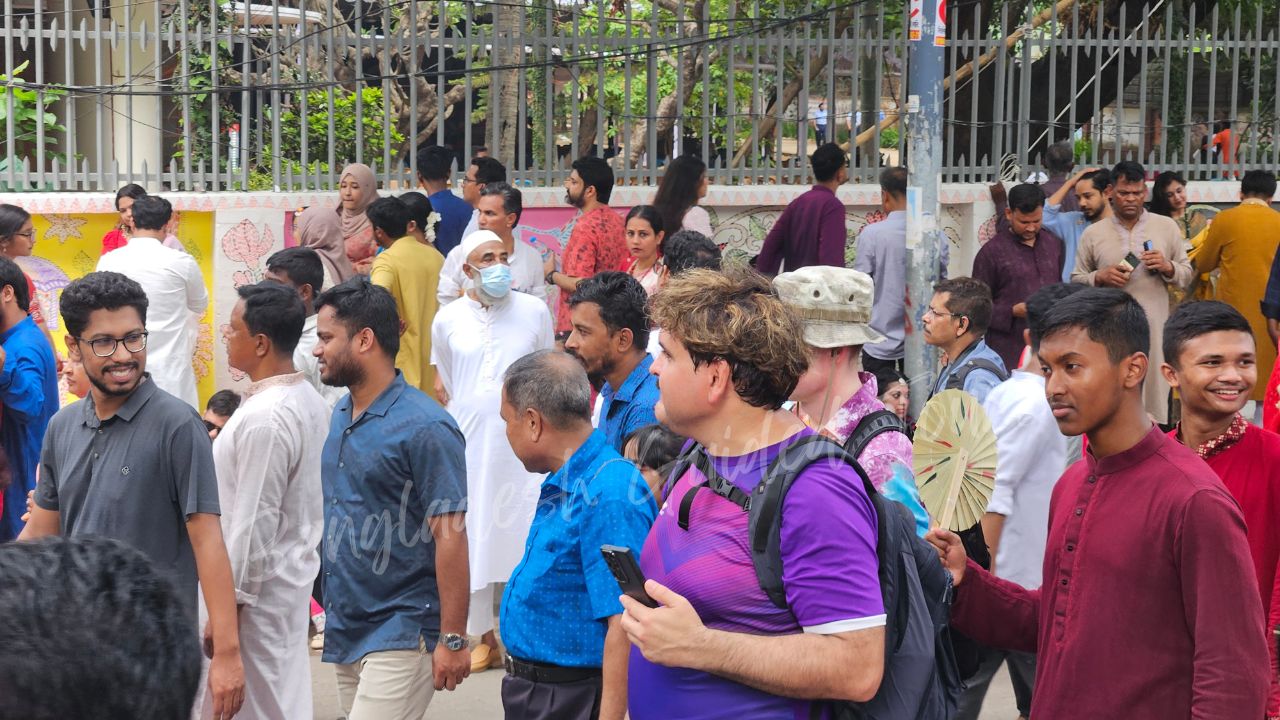
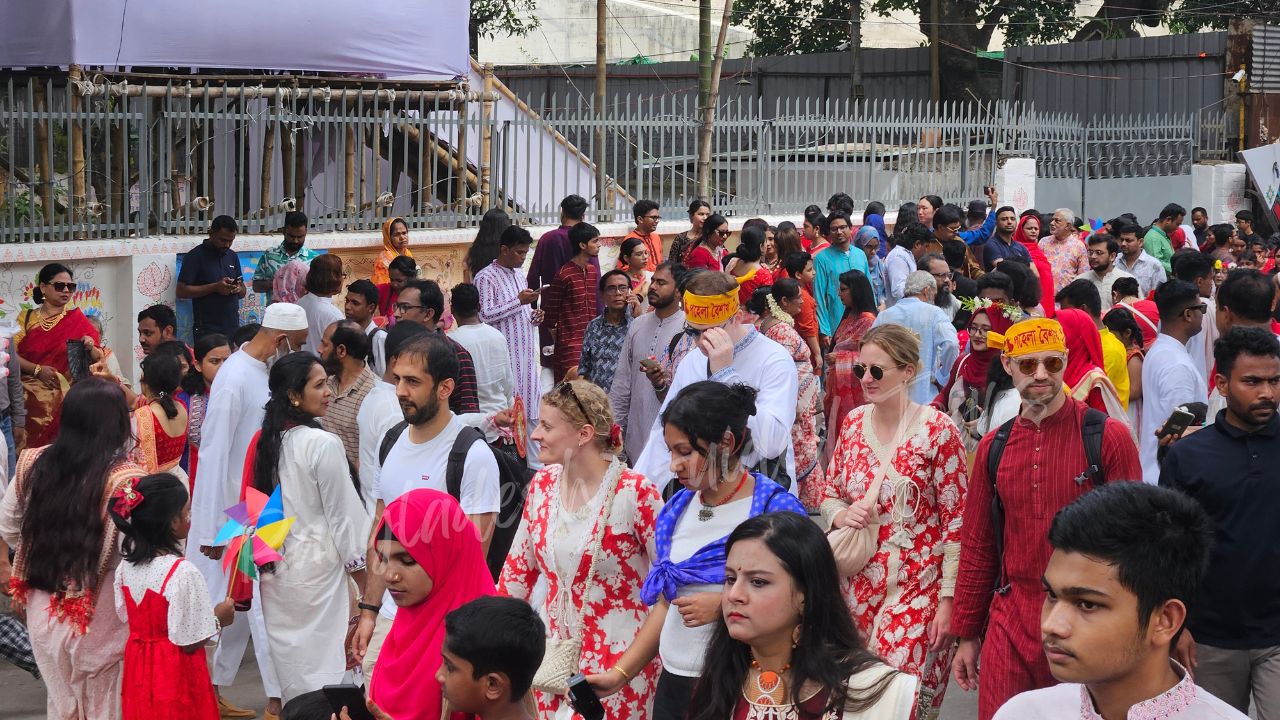
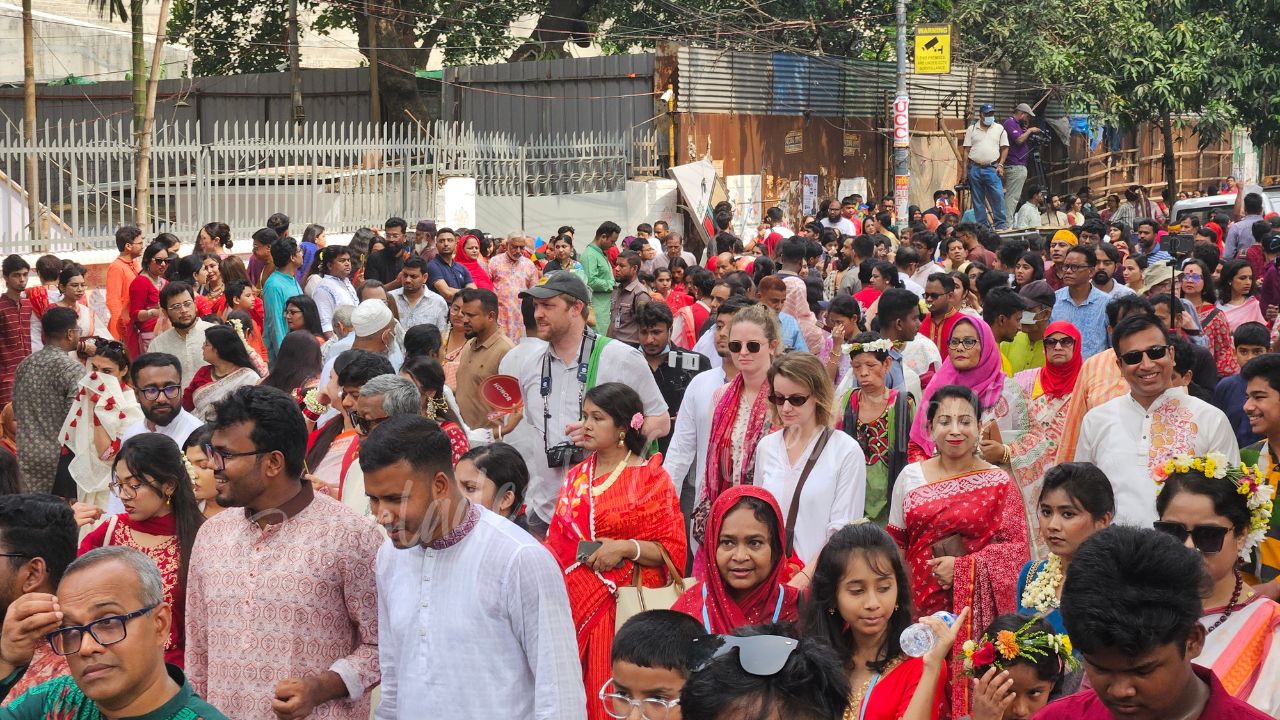
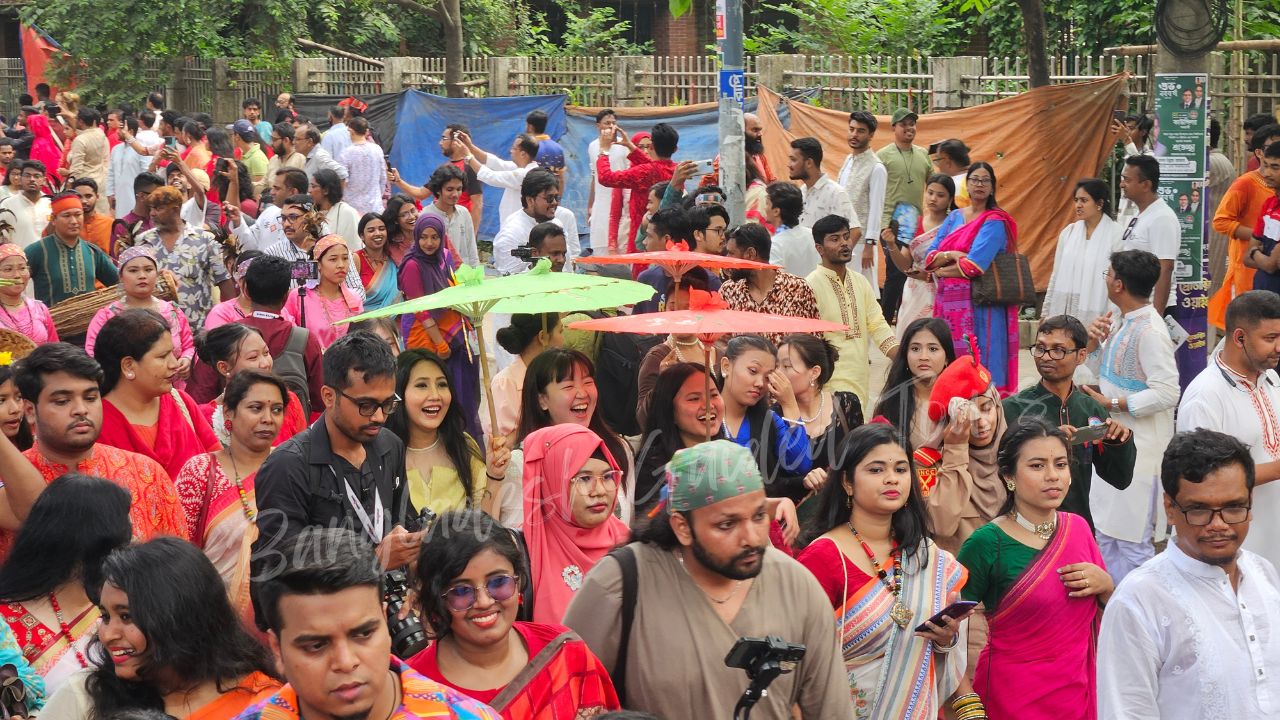

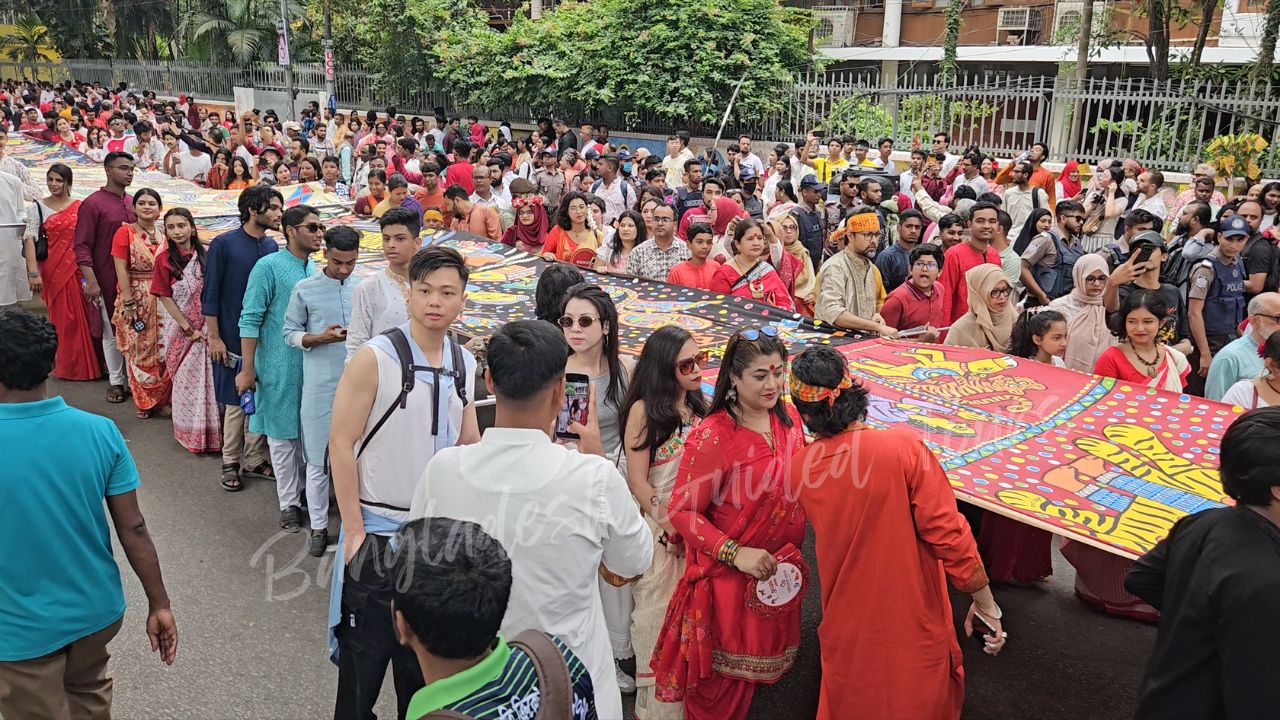
For foreign travelers seeking an immersive, authentic, and culturally rich journey, experiencing this Bengali New Year festival is an absolute must. At Bangladesh Guided Tours, we want to take you to the very heart of this grand festivity. Let’s dive into the history, the incredible sights, and the unforgettable experiences waiting for you in Bangladesh!
To truly appreciate the vibrant streets of Dhaka during the new year, it helps to understand the deep historical roots of this magnificent Bangladesh cultural festival.
The origins of Pohela Boishakh are beautifully tied to the land and its agriculture. The Bengali calendar was introduced by the great Mughal Emperor Akbar in 1584 (though retroactively dated to 1556). Before this, taxes were collected according to the Islamic Hijri calendar, which is lunar and did not align with the solar agricultural cycles. This often meant farmers were asked to pay taxes out of season.
To make tax collection fairer and easier, Emperor Akbar commissioned a new solar-based calendar known as the Tarikh-e-Elahi. Pohela Boishakh became the day to celebrate the new harvest and open new financial ledgers, a tradition known as Halkhata, which local merchants still practice today!
No element of the Bengali New Year is more iconic than the colorful morning procession. However, its history is relatively modern and deeply symbolic.
The procession first began in Dhaka in 1989, initiated by the teachers and students of the Faculty of Fine Arts at Dhaka University. At that time, the country was recovering from devastating floods and navigating heavy political turmoil under a military autocracy. The artists wanted to lift the spirits of the people. They named this first parade “Anondo Zatra” (The Joyous Procession).
In 1996, the name was officially changed to “Mangal Shobhajatra” (The Procession for Well-being). Why the change? The organizers realized that the parade was no longer just about joy; it had become a profound national prayer for peace, unity, and a better future for humanity. Today, this extraordinary parade is recognized by UNESCO as an Intangible Cultural Heritage of Humanity.
When you book a Pohela Boishakh tour, you aren’t just observing a festival—you are stepping right into the heartbeat of Bengali heritage. Here is what you will experience:
Joining the Mangal Shobhajatra is an unforgettable cultural experience. As the sun rises, the streets flood with thousands of people wearing traditional red and white attire. You will walk alongside giant, colorful, handcrafted floats made of bamboo and paper-mâché, representing local wildlife like tigers, owls, and elephants. The energy, the music, and the sheer scale of this grand celebration are absolutely mesmerizing.
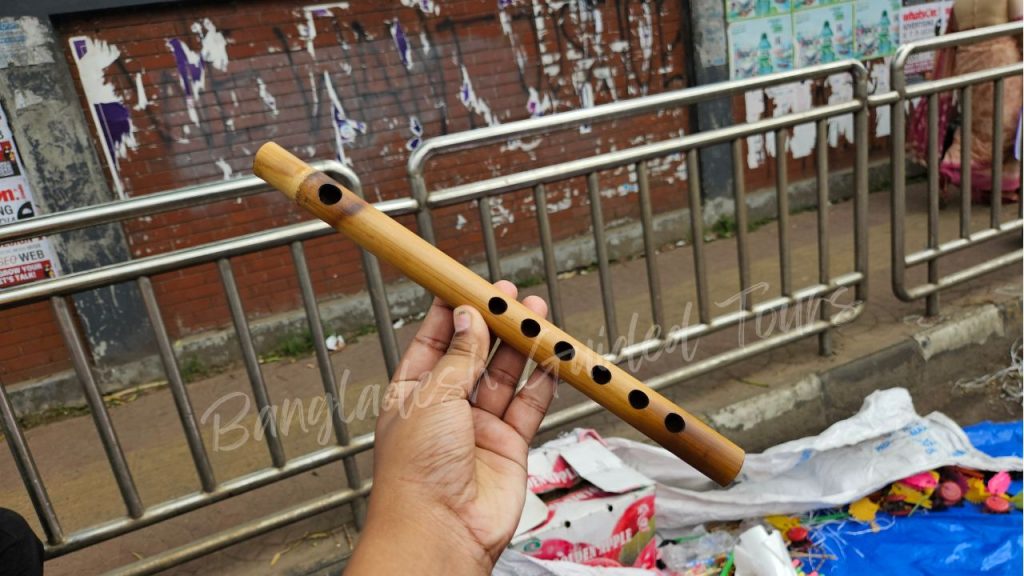
Amidst the festive chaos, you will find street performers playing the Banshi—the traditional Bengali bamboo flute. Hearing these raw, soulful, and rustic village melodies live is a rare treat that transports you straight to the rural heartlands of Bengal. (Imagine the soothing sound of the Banshi here!)
The streets surrounding the art faculty become an open-air studio. Incredibly talented local art students set up small stools and offer live portrait drawings. Within just 15 to 20 minutes, you can have a beautiful, hand-sketched charcoal or watercolor portrait of yourself to take home as a highly personalized souvenir.
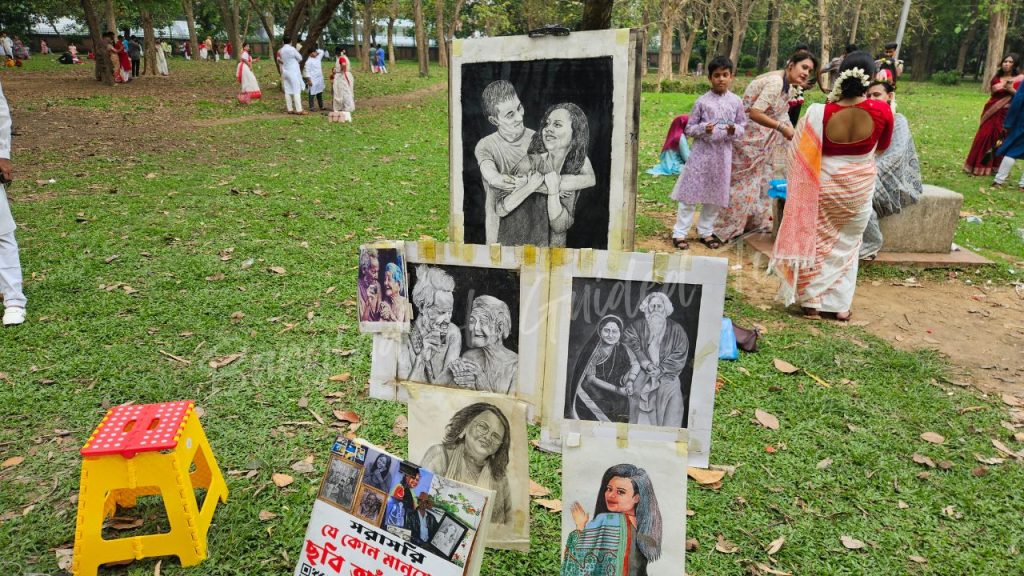
The Dhaka University Pohela Boishakh celebrations are the epicenter of the festival. The campus grounds are adorned with intricate Alpana (traditional street art painted with rice flour paste). From spontaneous folk dances under the shade of ancient trees to students singing in harmony, every corner offers a picture-perfect moment.
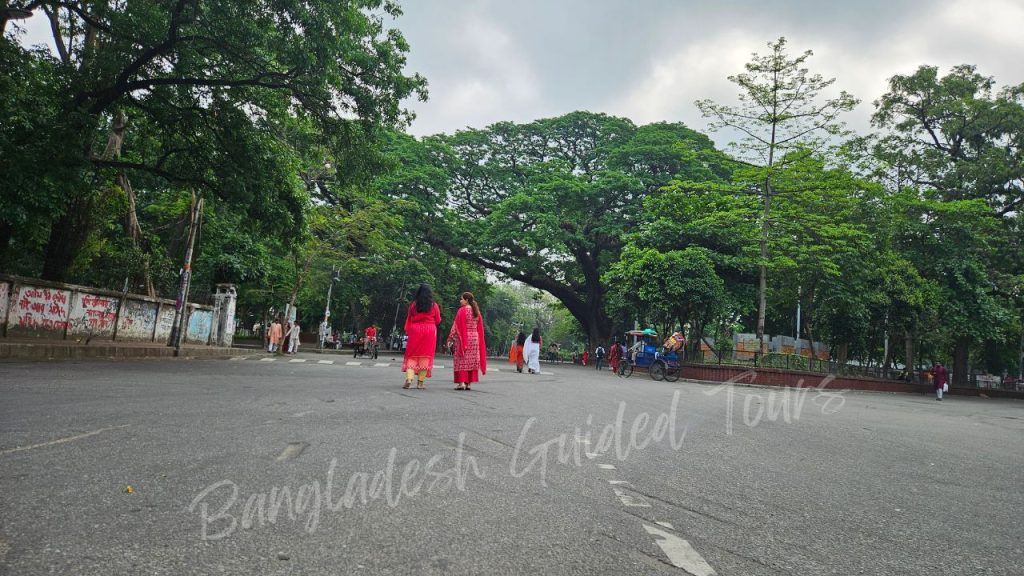
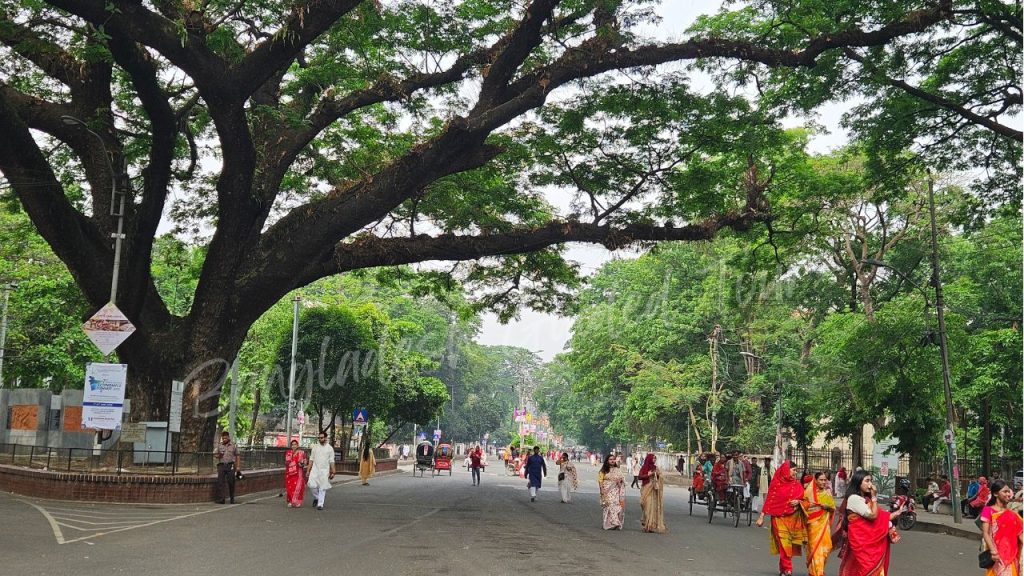
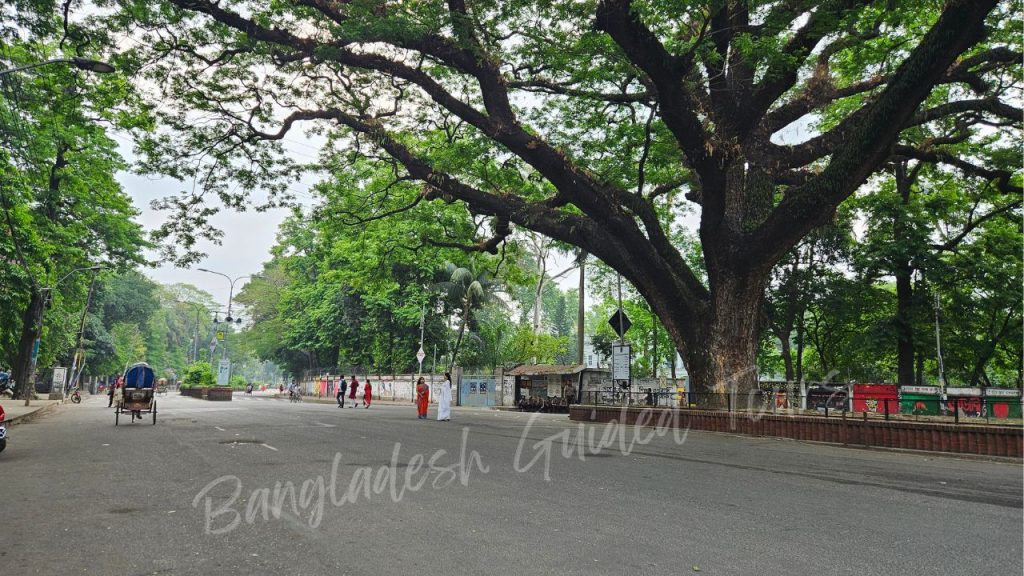
Just a stone’s throw away from the university, the Ramna Park cultural program kicks off at the crack of dawn under the famous Banyan tree (Batamul). Organized by the prestigious cultural group Chhayanaut, this musical gathering features hundreds of artists singing traditional welcoming songs like Tagore’s “Esho he Boishakh, esho esho.” Sitting on the grass, listening to these classical Bengali tunes, is a spiritually uplifting experience.
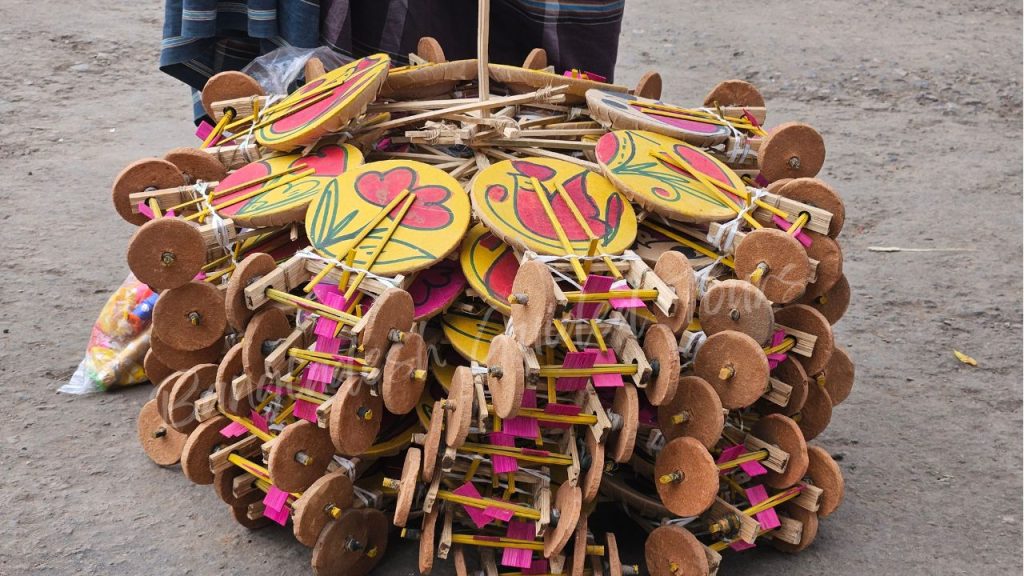
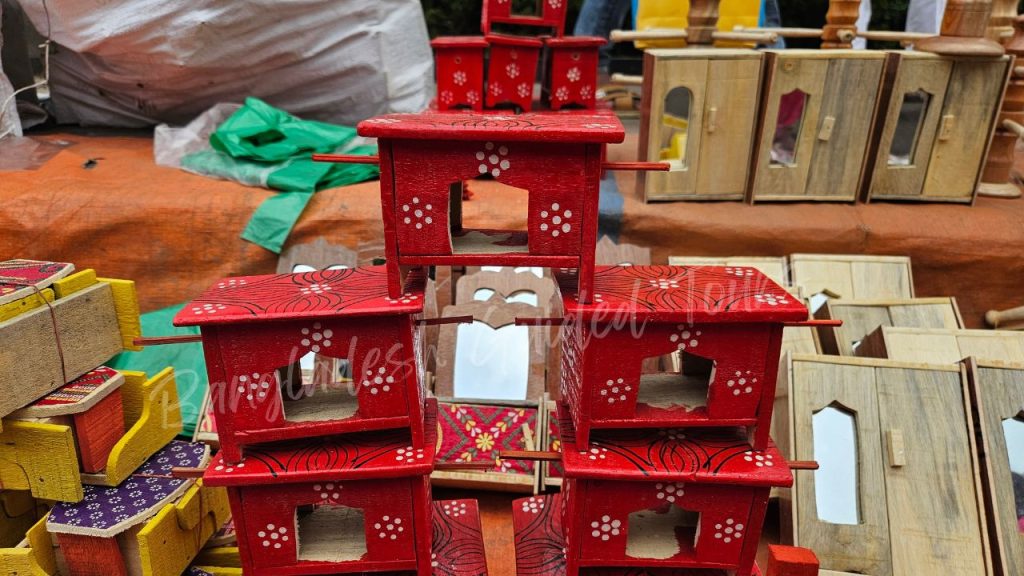
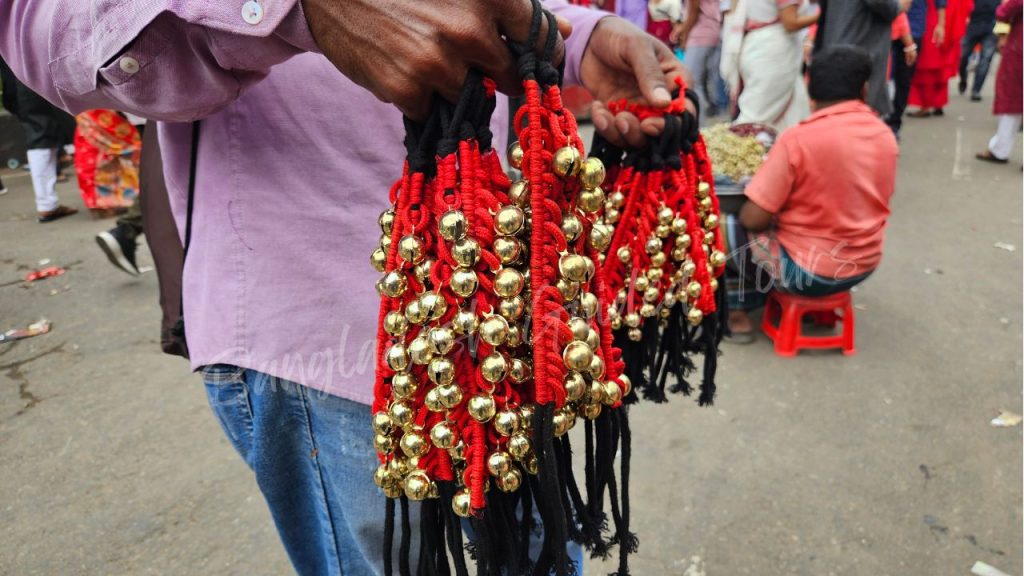
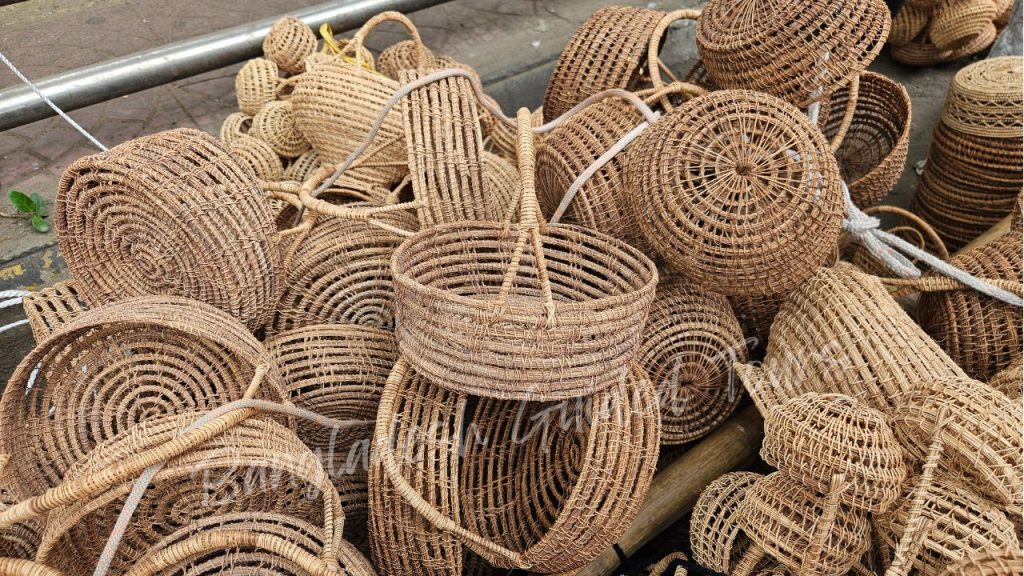
During the festival, the city streets transform into a massive traditional fair (Mela). You will find stalls selling exquisite, handmade village toys—like clay dolls, wooden spinning tops, and paper pinwheels. These rustic toys are rarely seen outside of these rural fairs, offering a beautiful glimpse into the childhood nostalgia of the Bengali people.
Immerse yourself fully by letting local artists paint traditional Bengali motifs on your face or hands. From intricate floral designs to the Bengali words for “Happy New Year” (Shuvo Noboborsho), this vibrant body art washes off easily but makes for incredible festival photos!
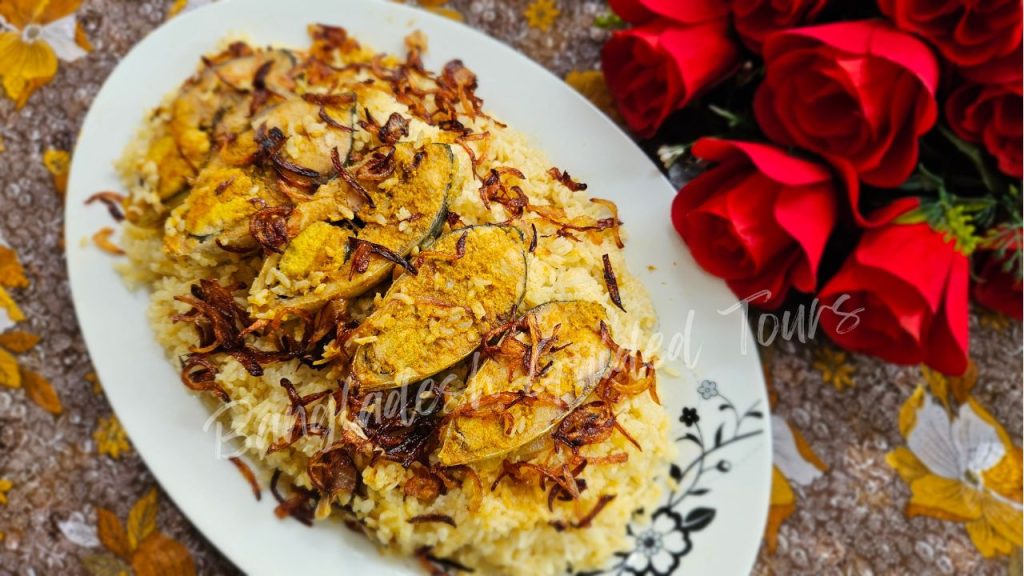
During Pohela Boishakh, the celebration of the Bengali New Year in Bangladesh becomes incomplete without savoring the legendary duo of Panta Ilish and Polao Ilish, two dishes that perfectly capture the soul of Bengali culinary tradition. Panta Ilish, made from rice soaked overnight in water and served with golden fried Hilsa (Ilish), green chilies, onions, and a variety of bhortas, represents the simplicity and agricultural heritage of rural Bengal while offering a naturally cooling meal ideal for the warm April weather; in contrast, Polao Ilish delivers a royal and aromatic experience where fragrant Basmati or Chinigura polao rice is delicately paired with the rich, oily, and flavorful Hilsa, often prepared in a mustard-based gravy or lightly fried to preserve its signature taste and aroma. Together, these iconic dishes offer locals and international visitors an authentic gastronomic journey that blends rustic tradition with festive luxury, making them an essential part of experiencing Pohela Boishakh like a true Bengali through flavor, history, and culture on a single celebratory plate.
You won’t be alone! Every year, Pohela Boishakh draws a multitude of foreign visitors, expats, and international journalists. The welcoming nature of the Bengali people means you will constantly be invited to share food, take photos, and dance. It is a beautiful, unifying environment where global travelers connect over shared joy.
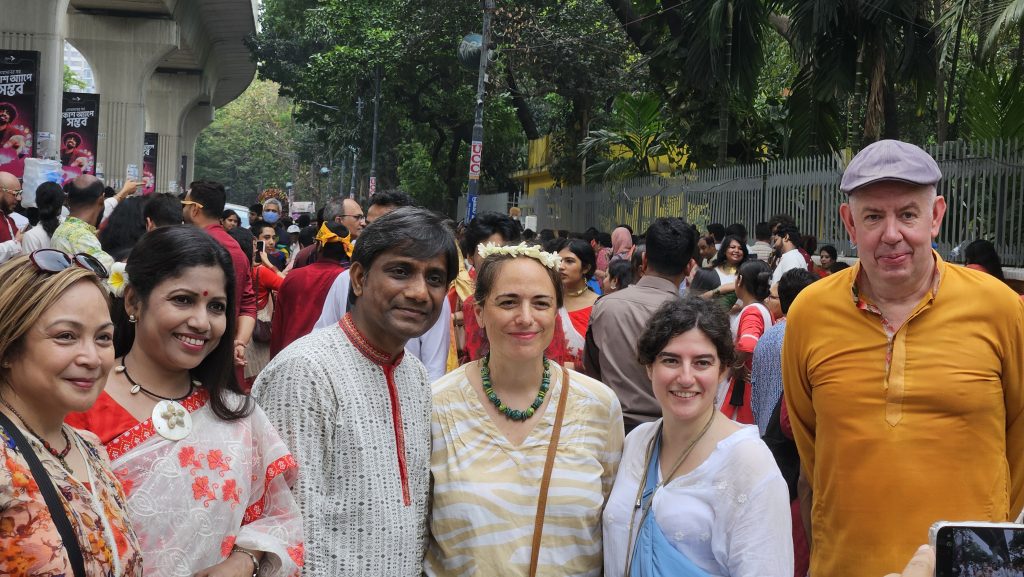
Some travel experiences stay with you forever. The energy, the hospitality, and the profound cultural depth of the Bengali New Year festival is one of those rare, life-changing adventures.
We warmly invite you to book your specialized Pohela Boishakh tour through Bangladesh Guided Tours. We handle all the logistics, from secure transportation and expert local guides to ensuring you get the best vantage points for the grand processions and cultural shows.
Join us in Bangladesh—at least once in your lifetime—for an unforgettable cultural chapter that will leave you with memories, melodies, and stories to share for years to come. Shuvo Noboborsho! (Happy New Year!)