


BGT


Bangladesh Guided Tours offers private Old Dhaka heritage and food tours, Sonargaon day trips and custom journeys in Bangladesh. Our operational office is in Bangla Motor, Dhaka. Contact us to discuss your travel dates, group size and preferred itinerary. Check each tour’s duration, meeting arrangements, inclusions and price before booking.






Welcome to a world where conservation meets adventure at the Gazipur Safari Park Guide inside the Bangabandhu Sheikh Mujib Safari Park in Gazipur, one of the most exciting eco-tourism destinations in Bangladesh. For years, Bangladesh has remained one of Asia’s hidden gems, but it is now rapidly gaining recognition as a top destination for wildlife tourism and eco-friendly travel experiences.
The crown jewel of this growing travel scene is the Gazipur Safari Park, the largest safari park in Asia, offering visitors a rare opportunity to experience wildlife in a natural, open habitat. This beautifully maintained park is home to a wide variety of Asian and African animals, allowing tourists to enjoy an up-close safari experience like never before.
Whether you are a nature lover, adventure seeker, or international traveler exploring Bangladesh, this safari park is a must-visit destination. It is an essential highlight of any guided tour of Bangladesh, offering unforgettable moments, rich biodiversity, and a unique blend of education and adventure in one place.
Often referred to by visitors as the Gazipur Safari Park, officially known as the Bangabandhu Sheikh Mujib Safari Park, Gazipur, this vast wildlife sanctuary is far more than a traditional zoo. It was established with a powerful national vision to move beyond confined animal enclosures and create a natural, open ecosystem that prioritizes animal welfare, biodiversity conservation, and authentic ecological immersion.
Named in honor of the nation’s founding father, the park reflects Bangladesh’s commitment to protecting endangered and exotic wildlife species while also promoting environmental awareness among both local and international visitors. It serves as one of the most important eco-tourism and conservation projects in the country.
Spanning an extraordinary 3,810 acres (approximately 1,542 hectares) of semi-evergreen forest, the park proudly stands as the largest safari park in Asia. This massive landscape allows animals to roam freely in habitats that closely resemble their natural environments, supporting healthier ecosystems and more natural behaviors.
For visitors, this creates a truly immersive safari experience—far different from traditional zoos. Instead of viewing animals in cages, guests explore open landscapes where wildlife such as deer, tigers, lions, and exotic birds can be observed in a semi-natural setting. This makes every visit feel like a real expedition into a protected wilderness.
A journey to Gazipur Safari Park is not just sightseeing—it is an educational and adventurous exploration of Bangladesh’s rich biodiversity and conservation efforts, making it a must-visit destination for nature lovers, researchers, and global travelers alike.
The experience inside the Bangabandhu Sheikh Mujib Safari Park, Gazipur is carefully designed to balance thrilling wildlife encounters with the highest standards of animal welfare and natural habitat preservation. Unlike traditional zoos where animals remain in confined enclosures, the park features dedicated Core Safari Zones where wildlife roams freely in vast, semi-natural environments.
In these expansive safari areas, visitors can observe majestic species such as African lions, zebras, giraffes, and various deer species moving naturally across open grasslands. These large, fenced-off habitats closely replicate real ecosystems, allowing animals to live in conditions that support their natural behavior and well-being.
One of the most exciting highlights of the visit is the guided safari vehicle experience. Visitors are taken deep into these protected habitats in secure vehicles, creating a truly immersive adventure. This unique journey offers unforgettable cage-free wildlife photography opportunities, where animals can often be seen just a few meters away. The close interaction with both Asian and African wildlife creates a powerful and sensory-rich safari experience.
Beyond the main safari drive, the park also features several specialized conservation zones that highlight its strong commitment to biodiversity protection. These include a walk-through aviary, home to hundreds of vibrant local and migratory bird species, offering an up-close look at Bangladesh’s avian diversity.
Additionally, the park hosts important conservation initiatives such as the Vulture and Egret Breeding Centre, which plays a crucial role in protecting endangered bird populations and supporting ecological balance. Visitors can also explore dedicated sections like the reptile park and crocodile habitat, each showcasing different ecosystems within the park.
From vast open safari plains to specialized conservation areas, every corner of Gazipur Safari Park offers a new discovery. This carefully structured ecosystem ensures that each visitor experiences not just entertainment, but also a deeper understanding of wildlife conservation, biodiversity, and sustainable eco-tourism in Bangladesh.
The wildlife collection at the Bangabandhu Sheikh Mujib Safari Park, Gazipur is one of the most diverse and impressive in South Asia, making it a true highlight of eco-tourism in Bangladesh. While the presence of the Royal Bengal Tiger, the national symbol of Bangladesh, attracts the most attention, the park offers far more than just this iconic predator. These tigers are kept in large, secure, natural-style enclosures designed to replicate their wild habitat while ensuring their safety and well-being.
Visitors can also witness the powerful Asian Elephant, one of the most intelligent and majestic land mammals, roaming in spacious environments. Alongside them are native species such as different types of bears, as well as large herds of herbivores including Sambar Deer and Spotted Deer, which move freely across the park’s vast green landscapes.
What makes the park even more unique is the introduction of exotic wildlife species such as the African Lion and Giraffe, creating a rare blend of Asian and African ecosystems in one destination. This combination not only enhances the visitor experience but also highlights the park’s role as a global conservation and biodiversity center.
For bird lovers, the park’s aviary offers an incredible opportunity to observe vibrant and exotic bird species with striking plumage, making it a paradise for birdwatching. Meanwhile, wildlife photographers can capture stunning moments of animals such as hippopotamuses resting in the water, deer grazing in open fields, or predators in their natural-like habitats.
Overall, Gazipur Safari Park is a true haven for nature lovers, wildlife photographers, researchers, and adventure travelers, offering a rare chance to experience rich biodiversity, conservation efforts, and unforgettable wildlife encounters all in one destination.
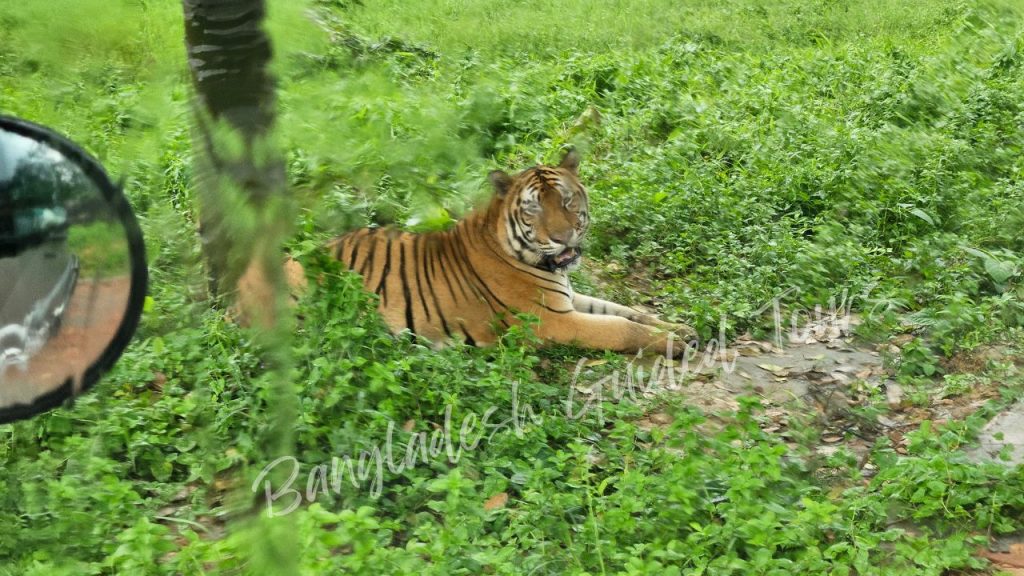
No creature captures the spirit of the wild quite like the Royal Bengal Tiger, the national animal of Bangladesh and one of the most iconic apex predators in the world. At the Bangabandhu Sheikh Mujib Safari Park, Gazipur, this magnificent big cat represents not only raw power and stealth but also the urgent importance of wildlife conservation and the protection of vanishing natural habitats.
For many international travelers, seeing the Royal Bengal Tiger is the ultimate highlight of a wildlife tour in Bangladesh. Its striking striped coat, commanding presence, and rare beauty make it a global symbol of strength and wilderness. Within the safari park, these tigers are housed in large, carefully designed natural enclosures that mimic their wild environment, allowing visitors to observe them in conditions that closely resemble their natural behavior.
Beyond its visual appeal, the Royal Bengal Tiger carries deep ecological and cultural significance. It plays a crucial role in maintaining the balance of forest ecosystems and stands as a reminder of the rich biodiversity of the Sundarbans and surrounding regions. Learning about the conservation efforts to protect this endangered species adds meaningful depth to any visit.
A journey to Gazipur Safari Park is not just about sightseeing—it is an opportunity to understand the challenges of wildlife preservation in Bangladesh and the global importance of protecting endangered species like the Royal Bengal Tiger. This experience leaves visitors with a deeper appreciation of nature, conservation, and the fragile beauty of the wild.
The Royal Bengal Tiger (Panthera tigris tigris) is one of the most iconic and recognizable big cat species in the world, known for its striking orange coat and distinctive black stripe pattern. It is the national animal of Bangladesh and a powerful symbol of strength, wilderness, and biodiversity.
Historically, the Bengal tiger’s natural range covered vast regions of the Indian subcontinent—from the dense mangrove forests of the Sundarbans, the world’s largest continuous tiger habitat, to the foothills of the Himalayas. These environments provided the perfect ecosystem for their survival, offering abundant prey and dense cover for hunting.
Bengal tigers are highly adaptable predators with extraordinary physical abilities. They are particularly known for their powerful swimming skills, which allow them to navigate rivers, swamps, and tidal waterways—especially in the Sundarbans region. As apex predators, they play a critical ecological role by maintaining balance in the food chain, naturally controlling populations of deer and other herbivores.
Today, the Bengal tiger is classified as Endangered on the IUCN Red List, facing serious threats such as habitat destruction, poaching, and increasing human-wildlife conflict. Rapid deforestation and shrinking natural habitats have made conservation efforts more urgent than ever.
Because of this, protected environments like safari parks and wildlife sanctuaries play an important role in raising awareness about tiger conservation. Efforts in places such as the Bangabandhu Sheikh Mujib Safari Park, Gazipur help educate visitors about the importance of protecting this magnificent species and preserving its remaining natural habitats.
The survival of the Royal Bengal Tiger is not just about saving a species—it is about protecting the entire ecosystem it represents.
For many adventurous travelers, the ultimate dream is to spot a Royal Bengal Tiger in the wild within the deep mangrove forests of the Sundarbans. However, for those seeking a safer and more accessible experience, the Bangabandhu Sheikh Mujib Safari Park, Gazipur offers a rare and controlled opportunity to observe these majestic predators up close.
The safari park functions as an important ex-situ conservation center, playing a vital role in the protection, breeding, and long-term preservation of the Royal Bengal Tiger (Panthera tigris tigris). Instead of traditional enclosures, the tigers are housed in specially designed, large-scale semi-natural habitats that closely resemble their native environment, ensuring both animal welfare and ecological authenticity.
This carefully managed setup allows trained wildlife experts and visitors to safely observe tiger behavior without disturbing their natural instincts. From hunting patterns to movement and resting habits, guests gain a deeper understanding of one of the world’s most powerful apex predators in a secure and educational environment.
The presence of the Royal Bengal Tiger in Gazipur Safari Park is more than just a tourist attraction—it is a strong symbol of Bangladesh’s dedication to wildlife conservation and national heritage protection. It reflects the country’s commitment to safeguarding endangered species while promoting responsible eco-tourism.
For international visitors, this experience becomes a deeply meaningful journey. It offers a rare chance to witness the beauty and strength of the tiger in a highly protected conservation setting, blending education, awareness, and unforgettable wildlife encounters in one destination.
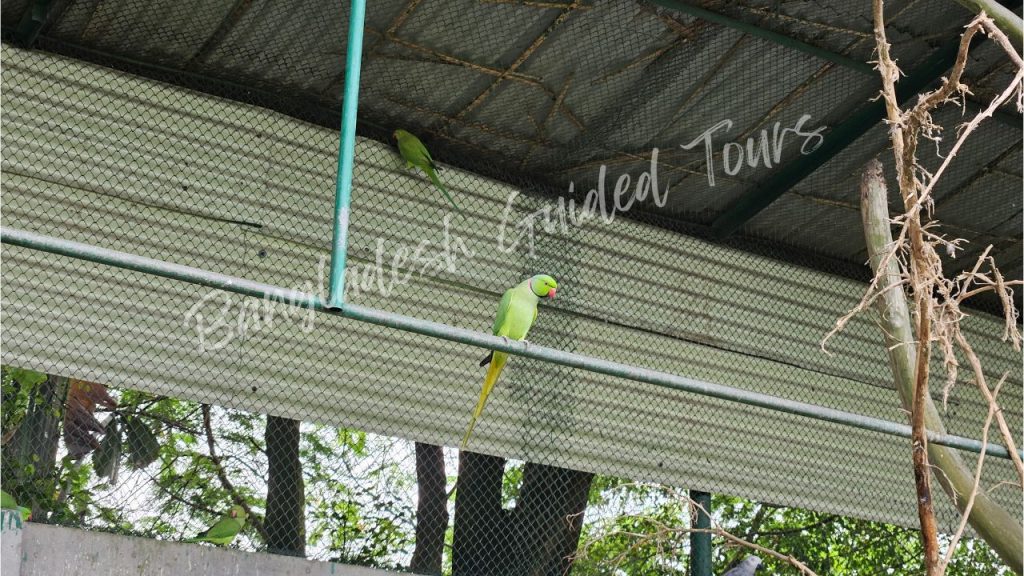
While the excitement of observing large predators like tigers is a major attraction, the true charm of Bangladesh’s wildlife also lies in its smaller and more vibrant species. One of the most eye-catching birds in the ecosystem of the Bangabandhu Sheikh Mujib Safari Park, Gazipur is the beautiful Rose-ringed Parakeet (Psittacula krameri).
This striking bird is easily recognized by its vivid green plumage and graceful flight patterns, often seen gliding through the forest canopy or perched among tall trees. Its presence adds a vibrant splash of color to the natural landscape, making it a favorite among birdwatchers, photographers, and nature enthusiasts visiting the safari park.
The Rose-ringed Parakeet thrives in the park’s semi-natural forest environment, where it coexists with a wide variety of native and migratory bird species. Its cheerful calls and active behavior create a lively atmosphere that enhances the overall eco-tourism experience.
For visitors, spotting these parakeets offers a peaceful contrast to the park’s larger wildlife attractions. It highlights the incredible biodiversity of Gazipur Safari Park, where every layer of the ecosystem—from apex predators to small birds—plays an important role in maintaining ecological balance.
This experience makes the safari park not only a destination for adventure but also a perfect place for birdwatching, wildlife photography, and nature appreciation, showcasing the rich natural heritage of Bangladesh in a truly immersive way.
The Rose-ringed Parakeet (Psittacula krameri) is one of the most visually striking and easily recognizable bird species found across Asia and Africa. It is famous for its brilliant emerald-green plumage, long pointed tail, and in mature males, the distinctive narrow black and rose-pink neck ring that gives the species its iconic name.
These parrots are highly intelligent and socially active birds, often seen moving in large, noisy flocks. Their loud, energetic calls can be heard from a distance, making them one of the most noticeable bird species in any natural or semi-urban environment.
In Bangladesh, Rose-ringed Parakeets are widely distributed and thrive in diverse habitats including woodlands, agricultural fields, and urban green spaces. Their adaptability allows them to coexist closely with human environments while still maintaining strong wild populations.
They are cavity-nesting birds, typically using holes in large, mature trees for breeding and shelter. Their diet is mainly vegetarian, consisting of fruits, seeds, berries, nuts, and flower buds. Because of this feeding behavior, they play an important ecological role in seed dispersal, helping to maintain forest regeneration and biodiversity.
In places like the Bangabandhu Sheikh Mujib Safari Park, Gazipur, these birds are commonly seen enhancing the natural atmosphere with their vibrant presence and dynamic flocking behavior. Observing a large group of parakeets feeding on a fruiting tree is one of the most beautiful and unforgettable experiences for birdwatchers and nature lovers.
This species represents not only the richness of Bangladesh’s avian biodiversity but also the delicate balance of ecosystems where birds, forests, and human landscapes coexist in harmony.
The Rose-ringed Parakeet (Psittacula krameri) is one of the most common yet visually stunning birds found in the ecosystem of the Bangabandhu Sheikh Mujib Safari Park, Gazipur. Unlike many of the park’s rare and large wildlife species that require specially designed enclosures, this vibrant parakeet is a naturally thriving part of the park’s native bird population.
Visitors can easily observe these birds in multiple locations throughout the park. They are frequently seen inside the walk-through aviary, where closer observation is possible, as well as freely flying across the surrounding forests, woodlands, and open park areas. This makes them one of the most accessible wildlife species for tourists.
For international travelers and birdwatching enthusiasts, the Rose-ringed Parakeet offers a guaranteed wildlife sighting experience. During quiet walks or explorations near forest edges, visitors can often spot their fast, direct flight patterns or hear their distinctive loud and energetic calls echoing through the trees.
Their bright green color, large flock sizes, and constant movement make them an excellent subject for wildlife photography and nature observation. Beyond their beauty, their presence also serves as an important indicator of a healthy and balanced ecosystem within the safari park.
While spotting megafauna like tigers or lions may require patience and guided safari tours, the Rose-ringed Parakeet provides an immediate and rewarding connection to nature. It highlights the incredible biodiversity of the park and reminds visitors that even the smallest species play a vital role in sustaining the richness of Bangladesh’s wildlife heritage.
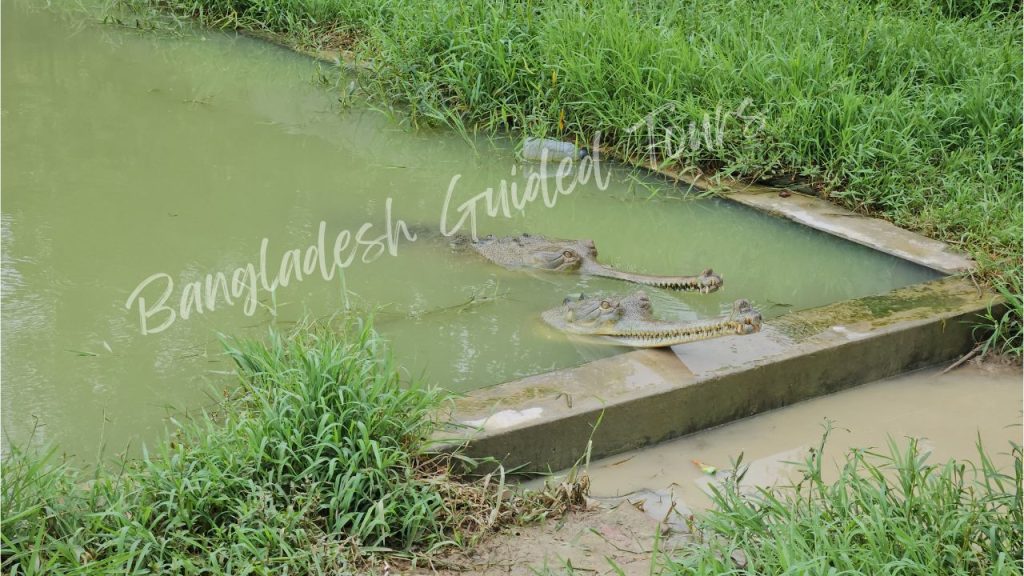
The Gharial (Gavialis gangeticus) is one of the most unique and critically endangered crocodilian species in the world. Unlike commonly feared reptiles, the gharial is easily recognizable by its extremely long, narrow snout and calm, prehistoric appearance. Often described as a “living fossil,” it represents an ancient lineage of crocodilians that has survived for millions of years.
For visitors to the Bangabandhu Sheikh Mujib Safari Park, Gazipur, the opportunity to observe a gharial in a protected setting is both rare and educational. This species is closely tied to the river ecosystems of South Asia, particularly large river systems where it plays a vital ecological role in maintaining aquatic balance.
Historically, gharials were widely distributed across rivers in the Indian subcontinent, but today their population has drastically declined due to habitat loss, fishing activities, and river pollution. As a result, the species is now classified as Critically Endangered, making conservation efforts more urgent than ever.
At Gazipur Safari Park, gharials are kept in carefully managed aquatic enclosures designed to replicate their natural river habitats. These protected environments allow researchers and visitors to study their behavior safely while supporting awareness programs focused on reptile conservation and biodiversity protection.
For international tourists, seeing a gharial up close offers a rare glimpse into one of nature’s most threatened species. It highlights the fragile balance of South Asia’s freshwater ecosystems and the importance of ongoing conservation work.
This experience is not just about observing a reptile—it is about understanding a race against extinction, where every conservation effort contributes to the survival of a species that has existed since prehistoric times.
The Gharial (Gavialis gangeticus) is one of the most distinctive crocodilian species in the world, easily recognized by its extremely long, narrow snout. This unique jaw structure is a perfect adaptation for its specialized diet of fish, allowing it to quickly snap up fast-moving aquatic prey with precision. Unlike other crocodiles with broad, powerful jaws, the gharial’s slender snout is lined with over a hundred sharp teeth designed for catching slippery fish in river ecosystems.
One of the most fascinating features of the male gharial is the presence of a bulbous growth at the tip of its snout, known as a “ghara” (derived from the Hindi word for pot). This structure plays an important role in sound production and is used during the breeding season to create vocalizations that attract females, making it a key part of its reproductive behavior.
Historically, gharials were widely distributed across major river systems of the Indian subcontinent. However, today the species is classified as Critically Endangered on the IUCN Red List, with population numbers declining by more than 98%. This dramatic loss is mainly caused by human activities such as sand mining, accidental entanglement in fishing nets, river damming, and habitat fragmentation.
Due to these threats, every surviving gharial has become extremely valuable for conservation. Protected environments like the Bangabandhu Sheikh Mujib Safari Park, Gazipur play an important role in raising awareness and supporting conservation efforts by providing safe, controlled habitats where this ancient species can be studied and protected.
Each gharial seen in such sanctuaries represents more than just a wildlife attraction—it is a critical lifeline for the survival of a species that is rapidly disappearing from the wild, making conservation action more urgent than ever.
The presence of the Gharial (Gavialis gangeticus) at the Bangabandhu Sheikh Mujib Safari Park, Gazipur is dedicated entirely to ex-situ conservation and public education. While the main safari zones focus on free-roaming mammals, the park also maintains specialized large aquatic enclosures designed to closely replicate the gharial’s natural habitat—slow-moving rivers with sandy banks and open basking areas.
For international visitors, this section of the park provides a rare and safe opportunity to observe the gharial’s unique physical features, especially its long, narrow snout and specialized fish-eating adaptations. These controlled environments allow guests to view the species up close without disturbing its well-being, making it both an educational and responsible wildlife experience.
Because the gharial is classified as Critically Endangered, its presence in Gazipur Safari Park carries significant conservation value. It helps raise awareness about the severe threats facing South Asia’s river ecosystems, including habitat destruction, sand mining, fishing nets, and river fragmentation. Seeing this species in a protected setting helps visitors understand how fragile freshwater biodiversity has become.
Many guided tour programs in Bangladesh highlight this section of the safari park to emphasize the country’s commitment to wildlife conservation and endangered species protection. It transforms a simple wildlife viewing into a meaningful lesson on global ecological responsibility.
Visitors can often observe gharials resting quietly along sunny riverbanks within their enclosures, a calm yet powerful reminder of their wild counterparts struggling for survival in natural habitats. This experience underscores the importance of conservation efforts and the urgent need to protect one of the world’s most ancient and threatened reptiles.
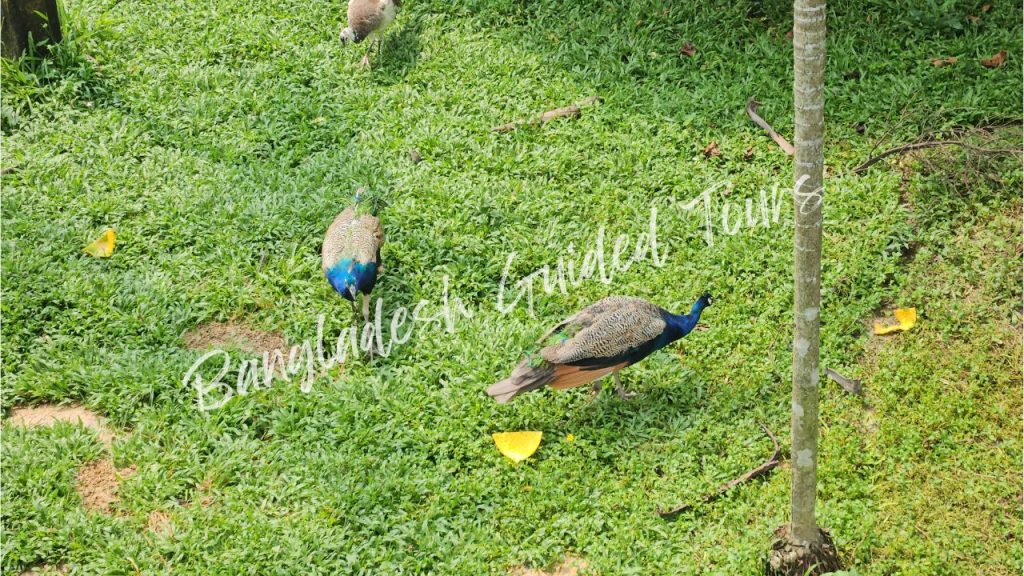
While many visitors come to the Bangabandhu Sheikh Mujib Safari Park, Gazipur to witness thrilling predator–prey interactions, others are drawn to its quieter charm—beauty, colour, and natural elegance. Among the most visually stunning residents of the park is the Peafowl (Pavo cristatus), globally admired for its dazzling, iridescent plumage and graceful presence.
The male peacock, in particular, is famous for its spectacular fan-shaped tail feathers that shimmer in shades of blue, green, and gold when displayed. This iconic courtship display not only represents natural beauty but also plays a vital role in mating behavior, making it one of the most fascinating sights in the animal kingdom.
Often seen strolling confidently across open areas of the safari park, peafowls add a sense of regal elegance and vibrant color to the landscape. Their calm movements and striking appearance create a peaceful contrast to the park’s larger and more powerful wildlife species.
For visitors, spotting a peafowl is a rewarding experience that requires no safari drive or special effort, as these birds are commonly seen within the park’s natural surroundings. Their presence enhances the overall biodiversity of the ecosystem and highlights the importance of maintaining balanced habitats where both large mammals and delicate bird species can thrive.
The Peafowl serves as a beautiful reminder that wildlife is not only about strength and survival, but also about grace, harmony, and visual wonder. In Gazipur Safari Park, every encounter with this majestic bird adds a moment of calm beauty to an otherwise adventurous journey.
The term Peafowl (Pavo cristatus) refers to both the male (peacock) and the female (peahen), though it is the male that attracts the most attention due to its extraordinary visual display. The peacock’s long, flowing train—often extending over five feet—is one of the most remarkable natural displays in the animal kingdom, making it a standout species in any wildlife environment, including the Bangabandhu Sheikh Mujib Safari Park, Gazipur.
This magnificent tail is decorated with hundreds of shimmering “ocelli” or eye-like patterns, which the peacock fans out during courtship rituals. This elaborate display is used to attract mates and establish dominance, showcasing a perfect example of natural selection and evolutionary beauty.
Native to the Indian subcontinent, peafowls hold deep cultural, religious, and symbolic importance across South Asia. They are often associated with beauty, royalty, immortality, and spiritual significance, making them one of the most culturally celebrated bird species in the region.
In terms of behavior, peafowls are mostly ground foragers, feeding on grains, insects, small reptiles, and plant matter. Despite spending much of their time on the ground, they are strong fliers when needed and typically roost in tall trees at night to stay safe from predators.
Their loud and distinctive calls often echo through forests and open landscapes, acting as a natural alarm system for other wildlife species. This vocal behavior adds to the dynamic soundscape of ecosystems where they live.
In places like Gazipur Safari Park, peafowls enhance the biodiversity experience by combining visual beauty, ecological function, and cultural heritage, making them an essential part of South Asia’s natural and tourist landscapes.
In the Bangabandhu Sheikh Mujib Safari Park, Gazipur, Peafowl (Pavo cristatus) are not restricted to a single enclosure. Instead, they are often seen roaming freely across peripheral zones, near administrative areas, and along walking pathways. This semi-wild setting allows visitors to experience these iconic birds in a calm, natural, and highly photogenic environment.
For international tourists, especially those traveling with guided packages such as Bangladesh wildlife and eco tours, the peafowl is one of the most reliable and rewarding sightings. Because they are commonly active in open areas, visitors can easily observe them at close range without requiring deep safari exploration, making them ideal subjects for wildlife photography and casual birdwatching.
One of the most unforgettable experiences is witnessing the male peacock performing its full courtship display. When fully fanned, its long, iridescent train creates a breathtaking natural spectacle—an example of pure wildlife artistry and behavioral display in the animal kingdom.
The thriving population of peafowl in the park reflects the strong ecological balance and biodiversity management within the safari ecosystem. It shows how native bird species can coexist alongside larger megafauna in a carefully maintained habitat.
Visitors are most likely to spot these birds during the cooler parts of the day, especially near forest edges and open grassy areas where they frequently forage for food. Their presence adds both color and life to the landscape, reinforcing Gazipur Safari Park’s role as a rich eco-tourism and biodiversity conservation destination in Bangladesh.
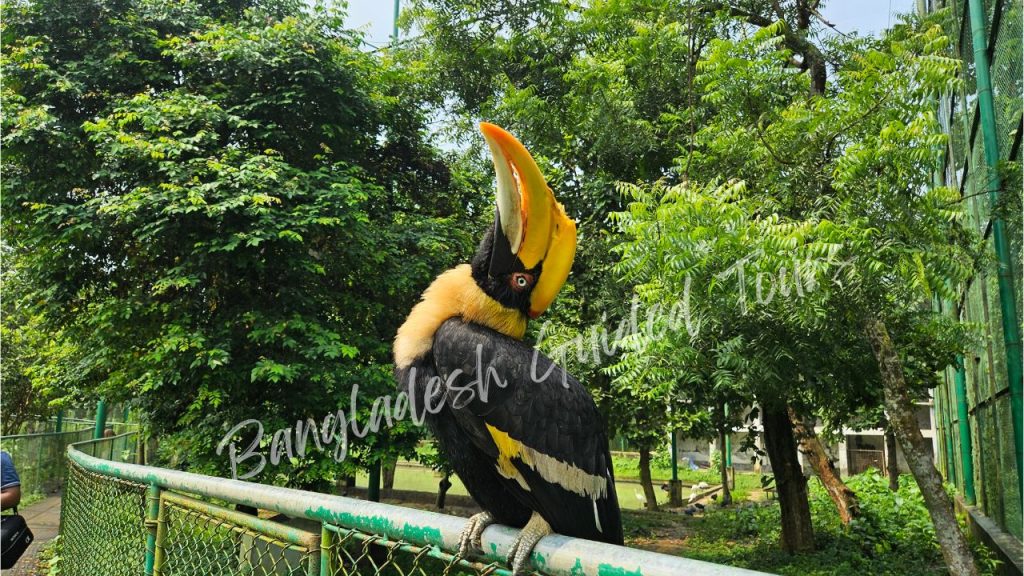
Rising high above the lush forest canopy, the Great Hornbill (Buceros bicornis) stands as one of the most majestic and iconic birds of South Asia. With its impressive size, powerful curved beak, and distinctive yellow-and-black casque on top of its bill, this extraordinary species is often regarded as a true “avian monarch” of tropical forests.
At the Bangabandhu Sheikh Mujib Safari Park, Gazipur, sightings of the Great Hornbill are highly valued by birdwatchers and wildlife enthusiasts. Its rare presence highlights the park’s rich biodiversity and its importance as a protected habitat for forest-dependent species.
The Great Hornbill is known for its striking flight, slow wingbeats, and loud, echoing calls that can travel through dense woodland. It primarily inhabits mature evergreen and semi-evergreen forests, where it nests in large tree cavities and plays a crucial ecological role as a seed disperser, helping maintain forest regeneration and biodiversity balance.
Because of habitat loss and deforestation across its natural range, the Great Hornbill is considered a vulnerable species in many regions. Protected environments like Gazipur Safari Park contribute to raising awareness about forest conservation and the importance of preserving large, old-growth trees that these birds depend on for survival.
For visitors, spotting a Great Hornbill soaring above the canopy is a rare and unforgettable experience. It symbolizes the richness of South Asia’s forest ecosystems and reinforces the park’s role in safeguarding threatened wildlife and promoting eco-tourism, conservation education, and biodiversity protection in Bangladesh.
The Great Hornbill (Buceros bicornis) is one of the largest and most iconic members of the hornbill family, instantly recognizable by its massive curved bill and the striking, brightly colored casque on top. This hollow structure is not merely ornamental; it is believed to play an important role in visual display and sound resonance, helping amplify the bird’s deep, echoing calls through dense forest habitats.
Often described as “forest engineers” or “farmers of the forest,” Great Hornbills play a vital ecological role. Their diet consists mainly of fruit, making them key seed dispersers for many large tree species. By spreading seeds across vast forest areas, they help maintain biodiversity and support the natural regeneration of tropical and subtropical forests.
In protected environments such as the Bangabandhu Sheikh Mujib Safari Park, Gazipur, the presence of hornbills highlights the importance of conserving intact forest ecosystems that support such specialized wildlife species.
One of the most extraordinary behaviors of the Great Hornbill is its unique nesting ritual. During breeding season, the female seals herself inside a natural tree cavity using a mixture of mud, droppings, and fruit pulp, leaving only a narrow slit open. She remains inside this enclosed chamber for weeks or even months while the male provides continuous food delivery through the opening to both the female and the chick until the young bird is ready to leave the nest.
This highly specialized breeding strategy makes the species extremely dependent on mature, old-growth trees, making it especially vulnerable to deforestation and habitat loss. As a result, the Great Hornbill is currently listed as Vulnerable in several parts of its range, with population declines driven by logging, habitat fragmentation, and human disturbance.
Protecting species like the Great Hornbill is essential not only for their survival but also for maintaining the health of entire forest ecosystems, where they serve as key agents of ecological balance and regeneration.

The Great Hornbill (Buceros bicornis) in the Bangabandhu Sheikh Mujib Safari Park, Gazipur serves as a powerful ambassador for Asia’s threatened tree-dwelling and forest canopy wildlife. Due to its highly specialized habitat needs—requiring vast, undisturbed mature forests—the species is maintained in large, high-roofed aviaries that closely replicate its natural rainforest environment.
These specially designed enclosures allow the hornbill to fly, perch, and behave in ways similar to its wild habitat, while also enabling visitors to observe this majestic bird at close range. The setup not only supports welfare-based conservation but also helps raise awareness about the importance of preserving old-growth forest ecosystems.
For international tourists, this provides a rare and reliable opportunity to experience one of Asia’s most iconic forest birds. In the wild, spotting a Great Hornbill often requires deep jungle expeditions, long patience, and access to remote forests. At Gazipur Safari Park, however, visitors can clearly observe its distinctive silhouette, oversized bill, and powerful, rhythmic flight pattern, often accompanied by the characteristic whooshing sound of its wings as it moves through the aviary space.
Tour-guided experiences, including those offered by Bangladesh guided wildlife tours, often emphasize the Great Hornbill’s ecological and conservation story. This helps visitors understand the urgent need to protect ancient forests, which are essential for the survival of hornbills and countless other canopy-dependent species.
By combining close observation with environmental education, the Great Hornbill exhibit transforms a simple birdwatching experience into an inspiring lesson on biodiversity conservation, sustainable eco-tourism, and the fragile balance of tropical forest ecosystems in South Asia.
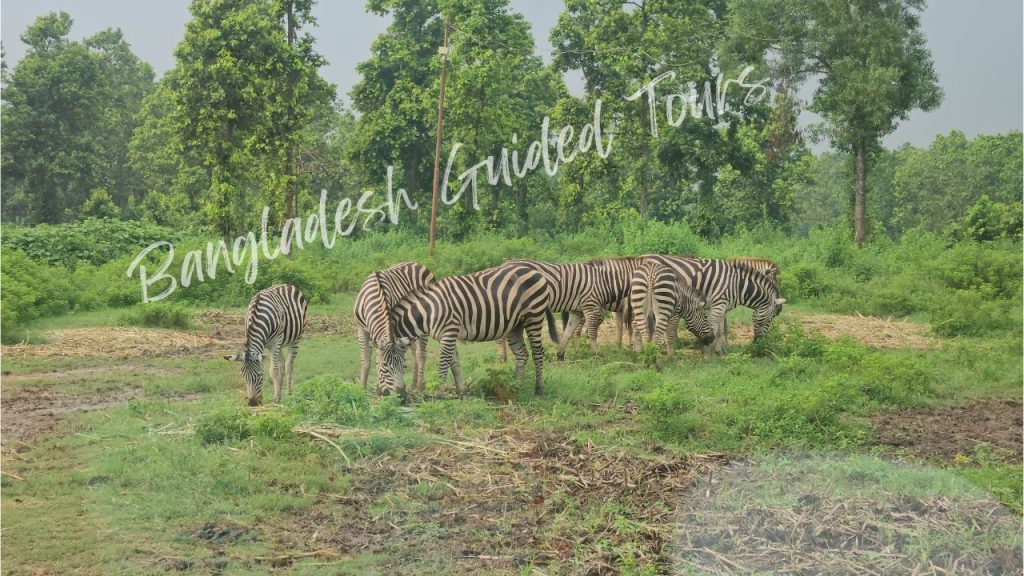
While the core mission of the Bangabandhu Sheikh Mujib Safari Park, Gazipur is deeply rooted in Asian wildlife conservation, its dedication to global biodiversity allows visitors to experience animals from far beyond the region. One of the most striking examples is the presence of the Zebra (Equus zebra) in the park’s African Safari Zone.
These iconic striped animals bring a vivid touch of the African savannah into the lush green landscape of Bangladesh. Their bold black-and-white patterns, graceful movement, and herd behavior create a visually captivating experience for visitors exploring the safari park.
For international tourists, encountering zebras in Gazipur Safari Park is often an unexpected and memorable highlight. It adds a unique global dimension to a South Asian wildlife itinerary, blending African and Asian ecosystems within a single destination.
The African Safari Zone is designed to simulate open natural habitats, allowing zebras to roam in spacious environments that encourage natural behavior. This immersive setup enhances wildlife observation and offers excellent opportunities for photography, education, and eco-tourism experiences.
By showcasing species like zebras alongside native wildlife, Gazipur Safari Park emphasizes its role as a global conservation and biodiversity awareness center, helping visitors understand the importance of protecting wildlife across continents and ecosystems.
The Zebra (Equus zebra) is one of the most iconic and visually distinctive animals in the world, instantly recognizable by its bold black-and-white striped coat. Each zebra has a completely unique stripe pattern—similar to human fingerprints—making every individual naturally identifiable in the wild.
Scientists believe these striking stripes serve multiple important biological functions. One leading theory suggests that the pattern helps provide natural camouflage by breaking up the animal’s outline, making it harder for predators to single out individuals within a moving herd. Other research indicates that the stripes may help regulate body temperature in hot climates and may also reduce bites from blood-sucking insects such as flies.
Zebras are herbivorous and highly social animals that live in structured family groups called harems, which combine into large herds for added protection. This social behavior is essential for survival in open grassland ecosystems, where predators are common and visibility is high. Staying in groups provides safety in numbers and improves their chances of detecting danger early.
Native exclusively to Africa, zebras are adapted to savannahs and open plains. However, in conservation and eco-tourism environments such as the Bangabandhu Sheikh Mujib Safari Park, Gazipur, they are introduced as part of global biodiversity education efforts, allowing visitors to experience wildlife from different continents in one location.
Seeing a herd of zebras moving or galloping together is a powerful and unforgettable experience. It reflects the raw energy, coordination, and natural beauty of the animal kingdom, while also highlighting the importance of wildlife conservation, habitat protection, and global ecological awareness.
The Bangabandhu Sheikh Mujib Safari Park, Gazipur has made a significant investment in developing an expansive African Safari Zone, a specially designed, fenced grassland habitat that closely replicates the open savannah environment where the Zebra (Equus zebra) naturally thrives. This zone also hosts other introduced African species, creating a diverse and immersive wildlife ecosystem within Bangladesh.
Within this carefully managed environment, zebras are among the main attractions, often seen grazing and moving in herds across wide open spaces. The habitat design encourages natural behaviors such as group movement, social interaction, and grazing patterns, offering a realistic representation of African wildlife in a controlled conservation setting.
For tourists, the experience is highly immersive and engaging. During guided safari drives, visitors travel through the African Safari Zone in secure vehicles, allowing for close-range wildlife observation without disturbing the animals. This creates a safe yet thrilling opportunity to witness zebras in a semi-natural habitat, making it one of the most memorable parts of the safari journey.
Tour operators such as Bangladesh Guided Tours often highlight this section of the park to showcase the global dimension of wildlife conservation. It demonstrates how Gazipur Safari Park integrates both Asian and African species to promote biodiversity awareness and eco-tourism education on an international scale.
One of the most striking visual experiences is seeing zebra herds moving across the green Bangladeshi landscape—a rare contrast that creates stunning photographic opportunities. This blend of African wildlife against South Asian scenery makes the African Safari Zone a unique attraction and a key highlight of any visit to the safari park.
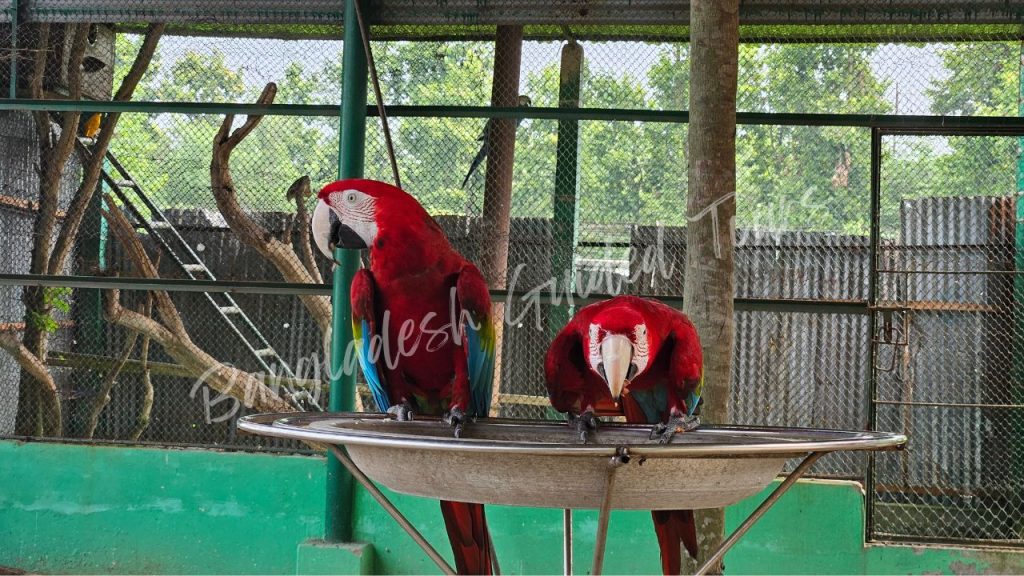
Stepping into the dedicated aviary zones of the Bangabandhu Sheikh Mujib Safari Park, Gazipur, visitors are immediately welcomed by a vibrant explosion of color and lively bird calls. Among the most striking inhabitants are the Macaws (Macaw)—large, long-tailed parrots native to the tropical rainforests of Central and South America.
These magnificent birds are often described as “living jewels of the sky” due to their brilliant blue, red, yellow, and green feathers. Their presence in the aviary creates a visually stunning and immersive experience, allowing visitors to observe one of the world’s most iconic exotic bird groups up close.
Macaws are highly intelligent and social birds known for their strong vocalizations, playful behavior, and lifelong pair bonding. In their natural habitats, they play an important ecological role in seed dispersal, helping maintain the health and regeneration of rainforest ecosystems.
At Gazipur Safari Park, the aviary environment is designed to replicate natural tropical conditions, providing a safe and enriched space for these birds while also offering educational value for visitors. This setup allows guests to learn about species that originate far beyond South Asia, reinforcing the park’s commitment to global biodiversity conservation and environmental awareness.
For international tourists, the Macaw aviary is one of the most visually rewarding attractions in the park. The combination of vivid plumage, energetic movement, and constant vocal activity creates an unforgettable sensory experience that highlights the beauty and diversity of the global bird kingdom.
The Macaw (Macaw) represents some of the largest and most visually striking members of the parrot family. These birds are instantly recognized by their vibrant and contrasting plumage, with species such as the Scarlet Macaw displaying brilliant combinations of red, blue, and yellow feathers. Their powerful, curved beaks are specially adapted for cracking hard nuts and seeds, making them highly efficient foragers in tropical ecosystems.
Macaws are also known for their remarkable intelligence and strong social behavior. They often form deep, long-lasting pair bonds and communicate using loud, raucous calls that can travel long distances through dense rainforest habitats. This vocal communication is essential for maintaining social connections and coordinating movement within flocks.
Native to the rainforests of Central and South America, many macaw species now face serious survival threats. Due to widespread habitat destruction and the illegal pet trade, several species are classified as Vulnerable or Endangered. This has made global conservation efforts increasingly important.
At the Bangabandhu Sheikh Mujib Safari Park, Gazipur, macaws are part of ex-situ conservation and educational programs that help raise awareness about neotropical wildlife. By housing these exotic birds in controlled aviary environments, the park contributes to global biodiversity education and inspires visitors to understand conservation challenges beyond their own region.
For international tourists, seeing macaws in Bangladesh highlights the interconnected nature of wildlife protection efforts worldwide. It emphasizes that conserving biodiversity is not limited by geography but is a shared global responsibility to protect species across continents and ecosystems.
In the Bangabandhu Sheikh Mujib Safari Park, Gazipur, Macaws (Macaw) are showcased in expansive, carefully managed environments, typically within the main walk-through aviary and dedicated exotic bird enclosures. These habitats are designed to ensure both safety and enrichment while closely simulating the dense, high-canopy rainforest environments of their native South American ecosystems.
The enclosure design allows Macaws to fly, perch, and interact naturally, creating a visually engaging and educational experience for visitors. Surrounded by tropical-style vegetation and open viewing paths, guests can observe these striking birds in conditions that reflect their natural lifestyle while still supporting conservation and welfare standards.
For international tourists, this section of the safari park offers one of the most reliable and rewarding wildlife photography opportunities. The Macaws’ vivid red, blue, green, and yellow feathers make them highly visible and photogenic, while their playful and curious behavior adds dynamic interaction for observers. Unlike many native species that rely on camouflage, Macaws stand out clearly, making them a favorite among birdwatchers and photographers.
Tour operators such as Bangladesh Guided Tours often highlight the Macaw exhibits to demonstrate the park’s exceptional biodiversity collection. This includes a rare combination of Asian wildlife alongside exotic species from the Americas, reinforcing the park’s global conservation vision and educational mission.
Visitors are often fascinated not only by their colors but also by their intelligence and vocal abilities, including their capacity to mimic sounds. This creates a memorable experience that reflects the richness of global avian life and strengthens awareness about the importance of protecting endangered species across continents.
Overall, the Macaw exhibit transforms a simple bird viewing into an immersive journey through global biodiversity, conservation education, and eco-tourism awareness in Bangladesh.
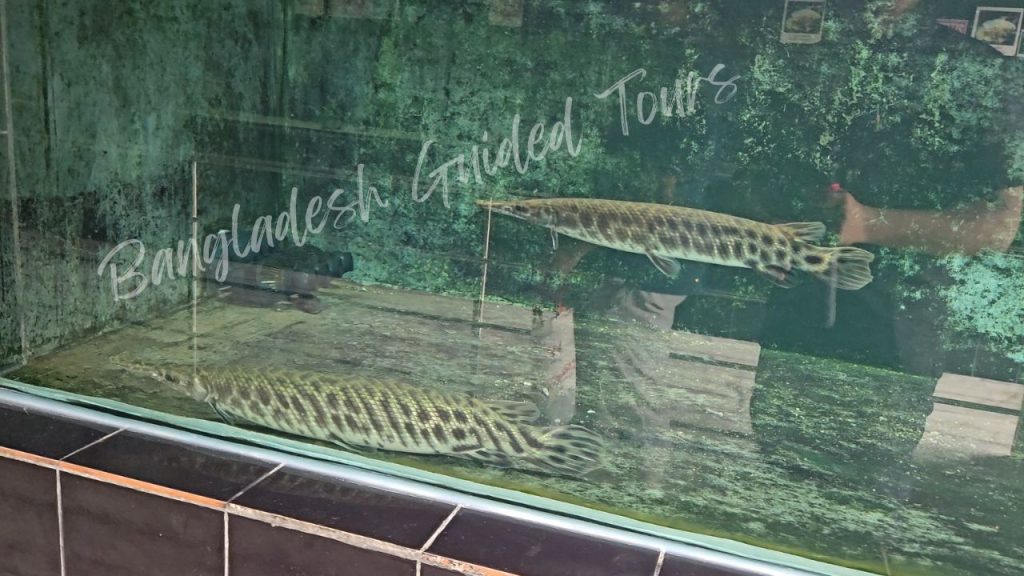
While most wildlife viewing at the Bangabandhu Sheikh Mujib Safari Park, Gazipur focuses on mammals and birds, the park also features specialized aquatic exhibits showcasing fascinating freshwater species from around the world. One of the most intriguing residents in this collection is the Alligator Gar (Atractosteus spatula), a massive prehistoric-looking fish often described as a “living fossil.”
This extraordinary species is instantly recognizable by its elongated, armored body, heavily scaled skin, and long snout filled with sharp teeth. Its appearance closely resembles ancient aquatic predators, making it one of the most visually striking freshwater fish in modern ecosystems.
Native to North America, the Alligator Gar inhabits slow-moving rivers, swamps, and backwaters. It is a highly adaptable predator capable of surviving in low-oxygen environments, thanks to its ability to breathe both water and air. This unique evolutionary trait has allowed the species to persist for millions of years, contributing to its reputation as a living relic of prehistoric aquatic life.
In Gazipur Safari Park’s aquatic exhibits, the Alligator Gar provides visitors with an unexpected and captivating experience beyond traditional safari wildlife. Observing this giant fish up close allows guests to appreciate the diversity of life forms preserved within the park’s global conservation and education framework.
For international tourists, encountering the Alligator Gar adds depth to the safari experience, highlighting that the park is not only about land animals but also about showcasing global biodiversity across multiple ecosystems. It serves as a reminder of the evolutionary history of aquatic species and the importance of preserving freshwater habitats worldwide.
Overall, this exhibit enhances the park’s role as a comprehensive eco-tourism destination in Bangladesh, where visitors can explore wildlife ranging from iconic land mammals to rare and ancient aquatic species.
The Alligator Gar (Atractosteus spatula) is one of the largest freshwater fish species in North America, native to the southern United States and parts of Mexico. It is instantly recognizable due to its long, broad snout and powerful double row of sharp teeth, which give it a striking resemblance to an alligator—hence its name.
This remarkable species can grow to lengths exceeding 8 feet and is covered in thick, diamond-shaped ganoid scales that interlock to form a natural armored protection. These ancient scale structures are a defining feature of primitive fish lineages, dating back over 100 million years, which is why the Alligator Gar is often referred to as a “living fossil.”
Despite its intimidating appearance, the Alligator Gar is generally not aggressive toward humans. It is a stealthy ambush predator, primarily feeding on fish, turtles, and occasionally aquatic birds. Its hunting strategy relies on patience and sudden bursts of speed rather than continuous pursuit.
The species represents an extraordinary example of evolutionary survival, having remained relatively unchanged for millions of years. This makes it highly valuable for scientific and ecological study, especially in understanding ancient freshwater ecosystems and evolutionary adaptation.
At the Bangabandhu Sheikh Mujib Safari Park, Gazipur, showcasing species like the Alligator Gar adds an important educational dimension to the park. It allows visitors to explore not only terrestrial and avian wildlife but also rare and prehistoric aquatic life, reinforcing the park’s role in promoting global biodiversity awareness and conservation education.
The presence of the Alligator Gar (Atractosteus spatula) at the Bangabandhu Sheikh Mujib Safari Park, Gazipur is purely educational, offering visitors a rare window into the world’s exotic freshwater ecosystems. This species is typically displayed in a dedicated, large, and reinforced aquarium enclosure, often located near the reptile house or information center, where its size and unique prehistoric features can be safely observed.
The carefully designed aquatic habitat allows visitors to clearly view the Alligator Gar’s massive body, armored scales, and slow, powerful movements. This controlled environment ensures both animal welfare and an optimal viewing experience, making it an important part of the park’s educational and conservation mission.
For tourists, the Alligator Gar provides a striking contrast to Bangladesh’s native fish species. Its ancient appearance and calm, deliberate swimming behavior make it an easy and fascinating subject for observation and photography through the clear aquarium glass. It offers a rare opportunity to study a species that looks almost unchanged from prehistoric times.
Tour operators such as Bangladesh Guided Tours often encourage visitors to explore the aquatic exhibits as part of the full safari experience. This section highlights the park’s broader commitment to global biodiversity conservation, showing how species from distant ecosystems—such as North American rivers—are studied, preserved, and displayed in South Asia for educational purposes.
Encountering the Alligator Gar allows visitors to connect with Earth’s deep evolutionary history while also gaining awareness of modern conservation challenges. It reinforces the idea that protecting biodiversity is a global responsibility that extends far beyond geographical boundaries.
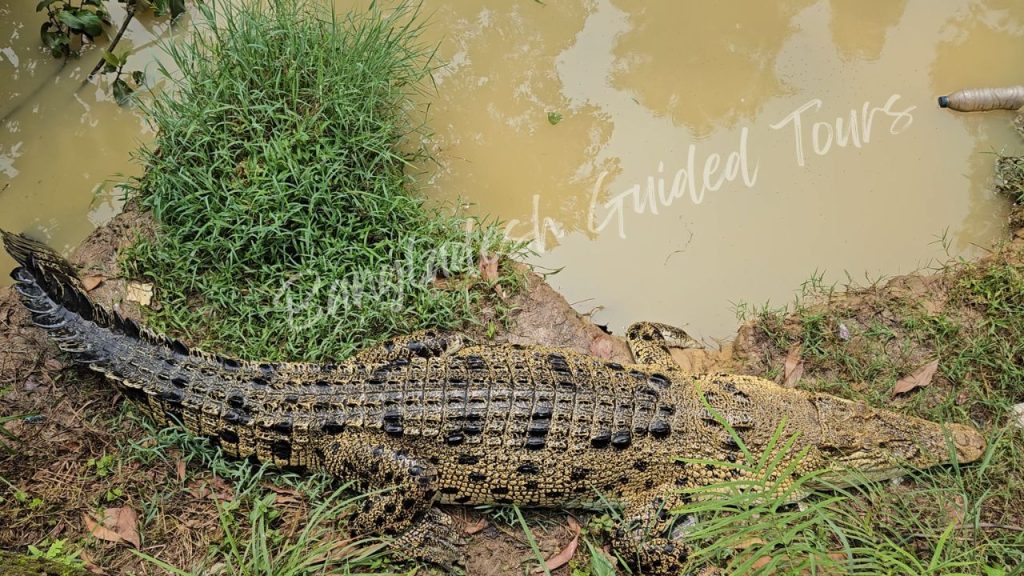
No journey through the wetlands and waterways of South Asia is complete without encountering its top aquatic predator—the crocodile. At the Bangabandhu Sheikh Mujib Safari Park, Gazipur, visitors are given a safe and clear opportunity to observe the Mugger Crocodile (Crocodylus palustris), one of the most important native reptile species in the freshwater ecosystems of Bangladesh.
The Mugger Crocodile is a powerful apex predator, playing a crucial ecological role in maintaining the balance of river and wetland habitats. By regulating fish and other aquatic populations, it helps ensure the long-term health of freshwater ecosystems across the region. Its presence is a strong indicator of a functioning and balanced aquatic environment.
At the safari park, these crocodiles are typically observed in specially designed enclosures that replicate natural wetland conditions. Visitors can safely view their slow movements, armored bodies, and patient hunting behavior through controlled viewing areas, offering both excitement and education.
For tourists, seeing the Mugger Crocodile up close provides a thrilling connection to the raw and ancient power of nature. Despite their calm appearance while basking in the sun, these reptiles are highly efficient predators, perfectly adapted to life in rivers, lakes, and marshlands.
This experience highlights the park’s commitment to wildlife conservation, ecological education, and biodiversity awareness in Bangladesh, helping visitors understand the importance of protecting native species that have existed for millions of years.
Ultimately, the Mugger Crocodile encounter adds a powerful dimension to the safari experience—revealing the hidden strength and primal energy that still thrives beneath the country’s serene freshwater landscapes.
The Mugger Crocodile (Crocodylus palustris), also known as the Marsh Crocodile, is a strong and adaptable freshwater reptile native to South Asia. It is easily distinguished by its broad, heavy snout, which contrasts sharply with the narrow, elongated snout of the Gharial. This robust skull structure allows it to consume a wider range of prey, making it one of the most versatile crocodilian predators in its ecosystem.
Historically, Mugger Crocodiles were widely distributed across the Indian subcontinent, inhabiting marshes, lakes, rivers, and slow-moving freshwater systems. Their adaptability to different wetland environments is reflected in their name, as “marsh crocodile” highlights their strong association with swampy and stagnant waters.
Muggers are classic ambush predators. They often remain completely motionless in water, blending seamlessly into their surroundings while waiting for prey to approach. They are equally known for basking in sunlight along riverbanks, a behavior used to regulate body temperature. Their exceptional camouflage and patience make them highly efficient hunters in wetland ecosystems.
At the Bangabandhu Sheikh Mujib Safari Park Guide, Gazipur, Mugger Crocodiles are displayed in controlled habitats that replicate natural freshwater conditions, allowing visitors to safely observe their behavior while supporting education and conservation awareness.
Despite their resilience, the Mugger Crocodile is currently classified as Vulnerable on the IUCN Red List, mainly due to habitat destruction, wetland degradation, and increasing human encroachment on nesting areas. These threats have significantly reduced their natural populations across the region.
Conservation initiatives in protected environments like safari parks play an important role in safeguarding the remaining populations. By promoting awareness and providing safe habitats, these efforts help ensure the survival of this important apex predator, which plays a key role in maintaining the balance of freshwater ecosystems across South Asia.
In the Bangabandhu Sheikh Mujib Safari Park, Gazipur, Mugger Crocodiles (Crocodylus palustris) are housed in specially designed enclosures within the reptile and aquatic zones. These habitats feature spacious water pools and sandy basking areas, carefully created to replicate their natural wetland environment while ensuring safety and clear visibility for visitors.
The enclosure design allows guests to observe the crocodiles in a semi-natural setting where they can swim, rest, and bask under controlled conditions. Clear viewing areas ensure an educational and engaging experience while maintaining strict safety standards for both animals and visitors.
For international tourists, this provides a rare and reliable opportunity to see one of Bangladesh’s most important native reptiles up close. Unlike wildlife encounters in the wild, where sightings are unpredictable, Gazipur Safari Park offers structured viewing zones that maximize both accessibility and educational value.
Tour operators such as Bangladesh Guided Tours often highlight this exhibit to educate visitors on the diversity of Bangladesh’s reptile fauna. A key focus is the comparison between the Mugger Crocodile and the critically endangered Gharial, helping visitors understand the ecological differences between these two iconic species.
Observing the Mugger Crocodile in its enclosure reveals its powerful build, ancient appearance, and silent, watchful behavior. Its stillness and strength create a striking impression, offering visitors a deeper appreciation of these ancient reptiles and their role in freshwater ecosystems.
Overall, this experience transforms crocodile viewing into a meaningful lesson in biodiversity, conservation awareness, and the ecological importance of wetland predators in South Asia.
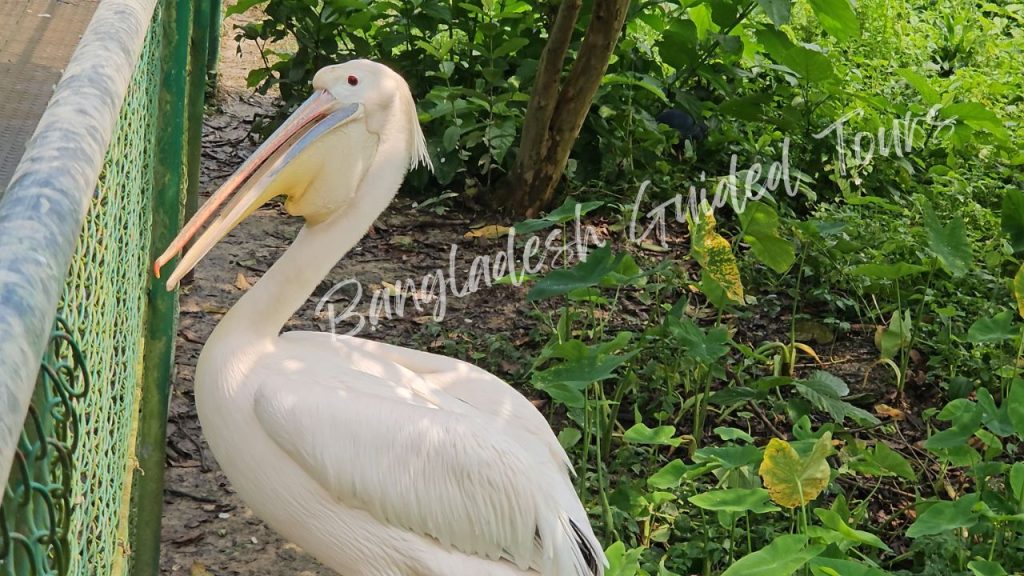
The Great White Pelican (Pelecanus onocrotalus) is one of the largest flying birds in the world, known for its massive wingspan that enables long-distance migration across Europe, Asia, and Africa. Its predominantly snow-white plumage gives it a striking and majestic appearance, with contrasting black primary flight feathers only visible during flight.
One of its most distinctive features is the large, elastic throat pouch attached to its lower bill. Rather than storing water, this pouch functions as an efficient fishing tool, acting like a natural net that allows the bird to scoop up fish from shallow waters. This specialized adaptation makes the pelican a highly effective aquatic feeder.
Great White Pelicans are highly social and intelligent birds. They often engage in cooperative feeding behavior, where groups work together to herd fish into tight clusters before scooping them up simultaneously. This coordinated hunting strategy is a remarkable example of avian teamwork and ecological adaptation.
These birds are typically found near large, shallow freshwater lakes, rivers, and marshlands, where fish are abundant and water conditions support their feeding style. Their presence is strongly associated with healthy wetland ecosystems.
At the Bangabandhu Sheikh Mujib Safari Park Guide, Gazipur, the Great White Pelican adds significant value to the park’s aquatic biodiversity displays. It allows visitors to observe a globally distributed wetland species in a controlled conservation setting, highlighting the importance of protecting freshwater habitats.
Overall, the Great White Pelican represents a powerful combination of size, elegance, intelligence, and ecological cooperation, making it one of the most fascinating waterbirds in the global avian world.
At the Bangabandhu Sheikh Mujib Safari Park, Gazipur, the Great White Pelican (Pelecanus onocrotalus) is one of the key attractions within the park’s expansive wetland and waterbird exhibits. These birds are provided with large, open aquatic environments along with sandy and grassy banks where they can comfortably swim, rest, fish, and bask under natural sunlight.
The habitat design ensures clear and unobstructed viewing areas, allowing international visitors to observe the pelicans’ impressive size, graceful movement, and unique feeding techniques up close. Their coordinated fishing behavior and calm presence on the water make them one of the most visually rewarding species in the aquatic zone.
The inclusion of Great White Pelicans reflects the park’s broader commitment to conserving both migratory and non-migratory waterbirds. By maintaining suitable wetland habitats, the safari park contributes to the protection and awareness of species that depend heavily on freshwater ecosystems for survival.
Tour operators such as Bangladesh Guided Tours often guide visitors to this section of the park, emphasizing the pelicans’ quiet elegance and ecological importance. These tours also highlight the urgent need to protect South Asia’s shrinking wetland habitats, which are essential for supporting diverse bird populations.
Overall, observing the Great White Pelican at Gazipur Safari Park offers a peaceful yet educational experience, showcasing the beauty of wetland biodiversity while reinforcing the importance of global conservation, habitat protection, and sustainable eco-tourism in Bangladesh.
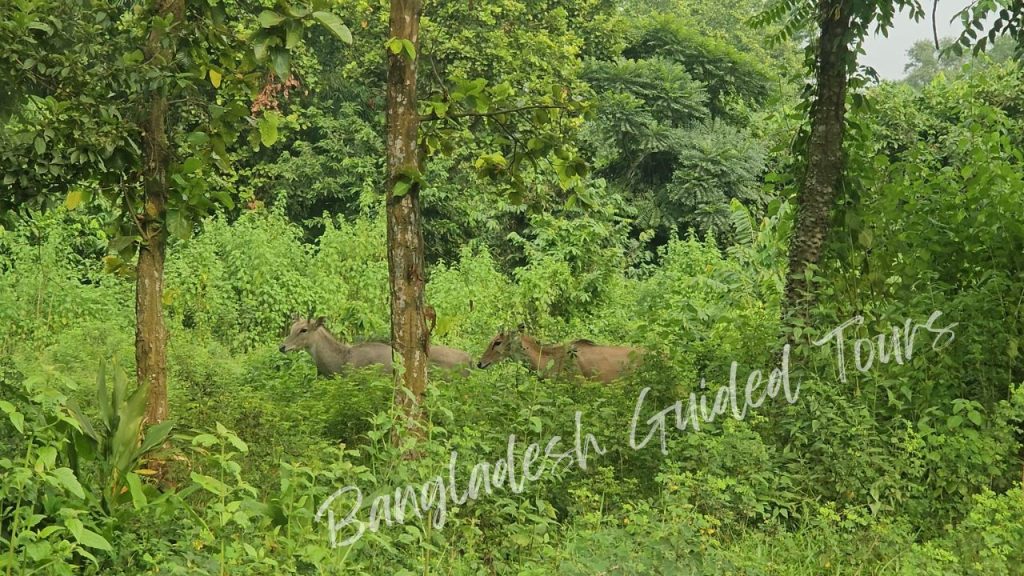
The Nilgai (Boselaphus tragocamelus), meaning “blue cow” in South Asian languages, is the largest and one of the most ancient antelope species in Asia. Known for its robust build and distinctive bluish-grey coloration in males, the Nilgai represents a unique evolutionary lineage among Asian ungulates.
For Bangladesh, the Nilgai holds deep ecological and historical significance. It was once native to the region but became locally extinct during the 1930s–1940s due to habitat loss, hunting pressure, and environmental changes. Its disappearance marked a major loss in the country’s native biodiversity.
Today, the Bangabandhu Sheikh Mujib Safari Park Guide, Gazipur is actively involved in conservation and captive breeding programs aimed at restoring this iconic species. Through carefully managed habitats and scientific breeding efforts, the park plays a crucial role in reintroducing and preserving the Nilgai population for future generations.
These conservation initiatives provide a safe environment where Nilgais can adapt, reproduce, and potentially support future rewilding efforts. The species’ presence in Gazipur Safari Park also serves as an important educational tool, helping visitors understand the importance of restoring locally extinct wildlife.
For international tourists and wildlife enthusiasts, observing the Nilgai offers a rare opportunity to learn about species recovery, biodiversity restoration, and conservation science in action. It highlights how dedicated efforts can help reverse ecological loss and bring native species back from the edge of disappearance.
Ultimately, the Nilgai symbolizes hope for Bangladesh’s wildlife heritage—showing that with sustained conservation action, even locally extinct species can have a chance to return and thrive again.
The Nilgai (Boselaphus tragocamelus) is one of the most imposing antelope species native to the Indian subcontinent. Males are typically recognized by their striking bluish-grey coat, short conical horns, and strong, muscular build, while females are noticeably lighter in color, often appearing tawny-brown. Both sexes feature slender legs, a slightly sloping back, and a distinct white patch on the throat that enhances their visual identification in the wild.
These animals are native to open plains and scrub forests and are generally diurnal, meaning they are active during daylight hours. They are usually seen in small herds, displaying cautious and shy behavior, which helps them avoid predators in open landscapes.
From an evolutionary perspective, Nilgais belong to the Bovinae subfamily and are considered among the more “primitive” living bovids. Scientific studies suggest that they retain several ancestral traits that date back millions of years, making them an important biological link to ancient ungulate lineages in Asia.
Although the species is classified globally as Least Concern on the IUCN Red List due to stable populations in India, its disappearance from Bangladesh’s wild ecosystems during the mid-20th century made its reintroduction and conservation a significant national priority.
At the Bangabandhu Sheikh Mujib Safari Park Guide, Gazipur, Nilgais are part of ongoing conservation and captive breeding efforts aimed at restoring lost native biodiversity. Their presence not only supports ecological education but also demonstrates active wildlife restoration initiatives in Bangladesh.
Overall, the Nilgai represents both an ancient evolutionary heritage and a modern conservation success story in progress, bridging the gap between Asia’s prehistoric fauna and present-day biodiversity protection efforts.
The presence of the Nilgai (Boselaphus tragocamelus) at the Bangabandhu Sheikh Mujib Safari Park Guide, Gazipur represents a meaningful conservation success story for Bangladesh. Most of the current population consists of individuals rescued by border security forces after they strayed into Bangladesh from neighboring India. Instead of being released into uncertain or hostile environments, these animals are transferred to the safari park for safe care and long-term conservation management.
Within the park, the Nilgais are placed under a structured ex-situ conservation and breeding program, where they are closely monitored in a secure, naturalistic habitat. This controlled environment allows the species to adapt, thrive, and reproduce safely. Documented calf births within the park demonstrate the success of these breeding efforts and highlight the importance of scientific wildlife management.
For foreign visitors, observing the Nilgai is more than just encountering an exotic antelope—it is witnessing a living example of wildlife rescue and restoration in action. The experience offers insight into how conservation institutions can protect vulnerable animals and support the recovery of species that were once lost locally.
Tour operators such as Bangladesh Guided Tours often emphasize the Nilgai exhibit as a key educational highlight of the safari park. It showcases how Bangladesh is actively working to restore native biodiversity and rebuild ecological balance through structured conservation programs.
Ultimately, the Nilgai at Gazipur Safari Park symbolizes hope, resilience, and environmental responsibility. It reflects a broader commitment to re-establishing a healthy and complete ecosystem where native and historically present species can once again thrive in the region.
Why wait to experience the wild in its most immersive form? Transform your reading journey into a real-life adventure with a professionally guided safari experience at the Bangabandhu Sheikh Mujib Safari Park Guide, Gazipur.
With Bangladesh Guided Tours, you get a fully organized, hassle-free travel package designed for both local and international visitors. The service includes secure and comfortable transportation from Dhaka, along with expert safari guides who ensure you don’t miss the most exciting wildlife encounters inside the park.
During your visit, you can observe iconic species such as the graceful Chital Deer (Axis axis) and elegant waterfowl like the Black Swan (Cygnus atratus), along with many other animals featured in the park’s diverse wildlife zones. Each moment is designed to give you safe, close, and memorable encounters with nature.
Whether you are a wildlife enthusiast, photographer, or first-time visitor to Bangladesh, this safari experience offers a unique opportunity to explore Asian biodiversity in a controlled, educational, and visually stunning environment.
Book your guided safari tour today and step into the heart of nature—where conservation, adventure, and unforgettable wildlife moments come together.