


BGT


Bangladesh Guided Tours offers private Old Dhaka heritage and food tours, Sonargaon day trips and custom journeys in Bangladesh. Our operational office is in Bangla Motor, Dhaka. Contact us to discuss your travel dates, group size and preferred itinerary. Check each tour’s duration, meeting arrangements, inclusions and price before booking.





Welcome to Puran Dhaka (Old Dhaka) — the historical heart of Bangladesh, where every narrow alley tells a story and every dish carries centuries of culinary heritage. More than just a historic neighborhood, Old Dhaka is a paradise for food lovers seeking authentic Bangladeshi flavors, traditional recipes, and unforgettable cultural experiences. From sizzling street snacks to legendary Mughlai delicacies, this vibrant part of Dhaka offers one of the most unique food journeys in South Asia.
The famous Old Dhaka Hygienic Food Tour | Explore Famous Street Foods & Hidden Gems takes travelers deep into the city’s rich culinary traditions while ensuring a safe and hygienic food experience. This tour is perfect for local and international travelers who want to discover the true taste of Bangladesh through carefully selected street foods, traditional restaurants, and hidden local eateries.
Old Dhaka’s cuisine is globally admired for its bold spices, rich aromas, pure ghee, mustard oil, and recipes inspired by Mughal royal kitchens. Many iconic dishes have been preserved for generations by local families, making this historic city one of the best destinations for authentic street food in Bangladesh. Travelers can enjoy legendary foods like Kacchi Biryani, Bakarkhani, Morog Polao, kebabs, traditional sweets, and refreshing local drinks while exploring centuries-old streets and cultural landmarks.
What makes Old Dhaka truly special is the perfect blend of food, history, and local life. As you walk through bustling markets, historic alleys, and heritage buildings, you will experience the real spirit of Dhaka — energetic, flavorful, and deeply rooted in tradition. Every stop on the tour introduces a new taste, a new story, and a hidden gem waiting to be discovered.
If you are searching for the best food tour in Bangladesh, the most authentic street food experience in Dhaka, or a cultural journey through historic Bangladesh, Old Dhaka should be at the top of your travel bucket list. Whether you are a food blogger, travel enthusiast, photographer, or international tourist, this culinary adventure promises memories that last forever.
Here is your exclusive, guide-curated list of the most iconic, historically rich, and absolutely delicious dishes you must experience.
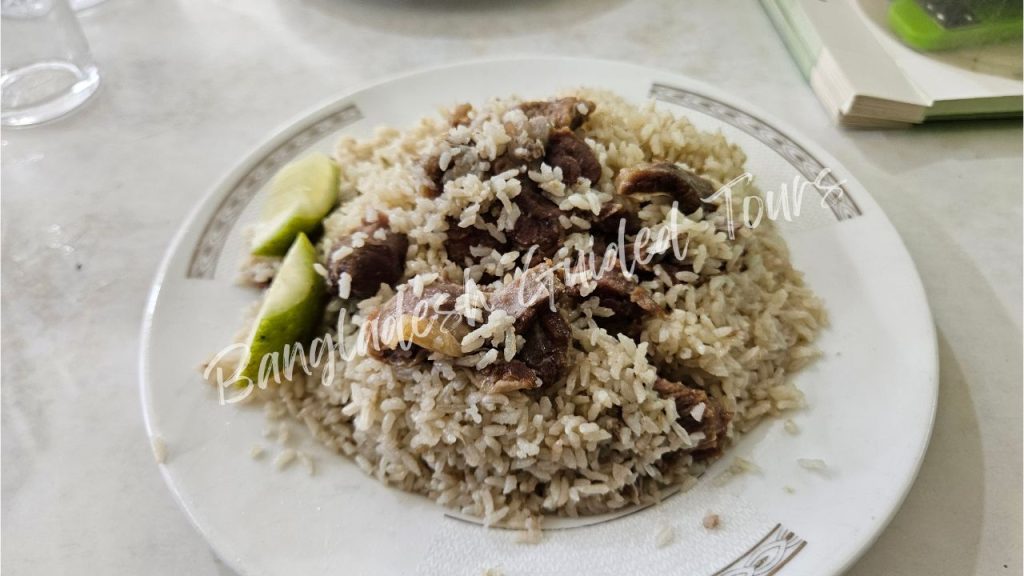
You cannot truly experience the authentic flavors of Old Dhaka until you taste the legendary Haajir Biriyani, one of the most famous and historic biryani destinations in Bangladesh. Established in the 1930s, Haajir Biriyani is more than just a restaurant — it is a timeless culinary institution that has preserved its secret family recipe for generations. Known for its unique cooking style, rich aroma, and traditional serving method, this iconic food spot remains a must-visit destination for both local and international food lovers exploring Old Dhaka.
Unlike many traditional biryanis prepared with long-grain Basmati rice, Haajir Biriyani uses aromatic kalo jeera rice, also known as chinigura rice, which gives the dish its signature texture, deep flavor, and authentic Old Dhaka character. Every plate is carefully cooked with tender mutton or goat meat, blended perfectly with traditional Mughlai spices to create a rich, earthy, and unforgettable taste. The balanced spice level and slow-cooked preparation make this biryani one of the best street food experiences in Dhaka.
One of the most unique aspects of Haajir Biriyani is its exclusivity and heritage. The restaurant prepares only a limited quantity every day, and once the biryani is sold out, no more is served. This tradition has made Haajir Biriyani a legendary attraction among tourists, food bloggers, and travelers searching for the most authentic food in Bangladesh.
Traditionally served in a simple shaal leaf plate, Haajir Biriyani represents the true essence of Old Dhaka’s food culture — historic, flavorful, authentic, and deeply rooted in tradition. For anyone joining an Old Dhaka Hygienic Food Tour, tasting this iconic biryani is an unforgettable culinary experience and an essential part of discovering Bangladesh’s rich street food heritage.
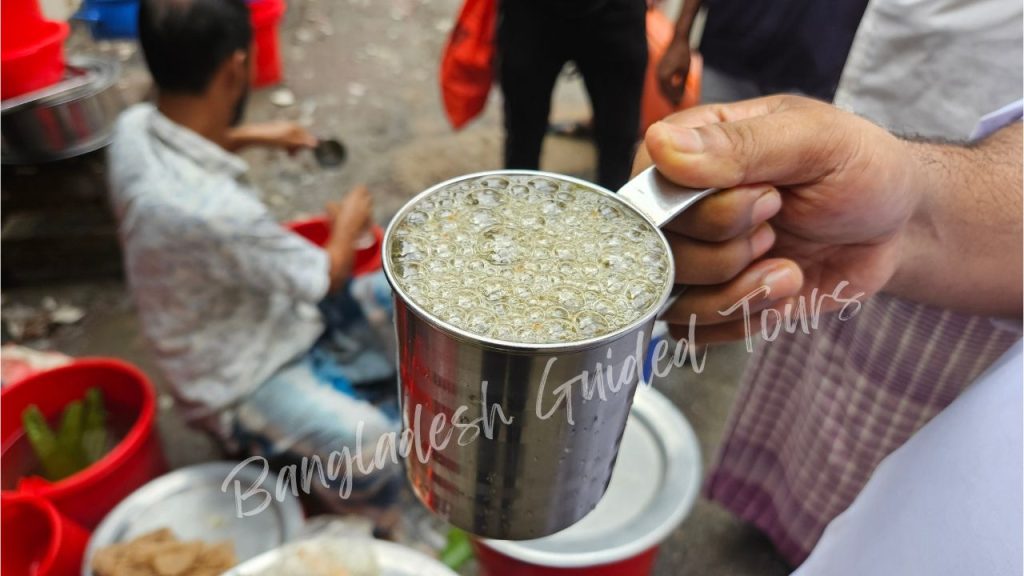
After exploring the bustling streets, historic alleys, and spice-filled food markets of Old Dhaka, there is no better way to cool down than with a refreshing glass of traditional Aloe Vera Juice — one of the most unique and healthy street drinks in Dhaka, Bangladesh. Popular among locals and travelers alike, this revitalizing beverage has become a modern favorite in Old Dhaka’s vibrant street food culture.
Prepared fresh in front of visitors at local roadside stalls, the drink is made using thick, translucent cubes of fresh aloe vera sliced directly from the plant. Vendors expertly mix the aloe vera with fresh mint leaves, tangy lime juice, flavorful rock salt (bit lobon), and a light touch of sweet syrup to create a perfectly balanced drink that is cooling, hydrating, and energizing. The result is a refreshing combination of sweet, salty, tangy, and herbal flavors that perfectly complements the rich and spicy foods of Old Dhaka.
Known for its cooling properties and health benefits, Aloe Vera Juice is considered one of the best refreshing drinks to enjoy during an Old Dhaka food tour, especially in Bangladesh’s warm tropical weather. Its fresh ingredients, vibrant appearance, and unique preparation style make it not only a delicious beverage but also a memorable street food experience for tourists, food bloggers, and cultural travelers.
For visitors searching for authentic street drinks in Bangladesh, healthy local beverages, or hidden food gems in Old Dhaka, this refreshing aloe vera drink offers the perfect blend of tradition, wellness, and local flavor. It is a must-try stop during any Old Dhaka Hygienic Food Tour and an unforgettable part of exploring the city’s rich culinary scene.
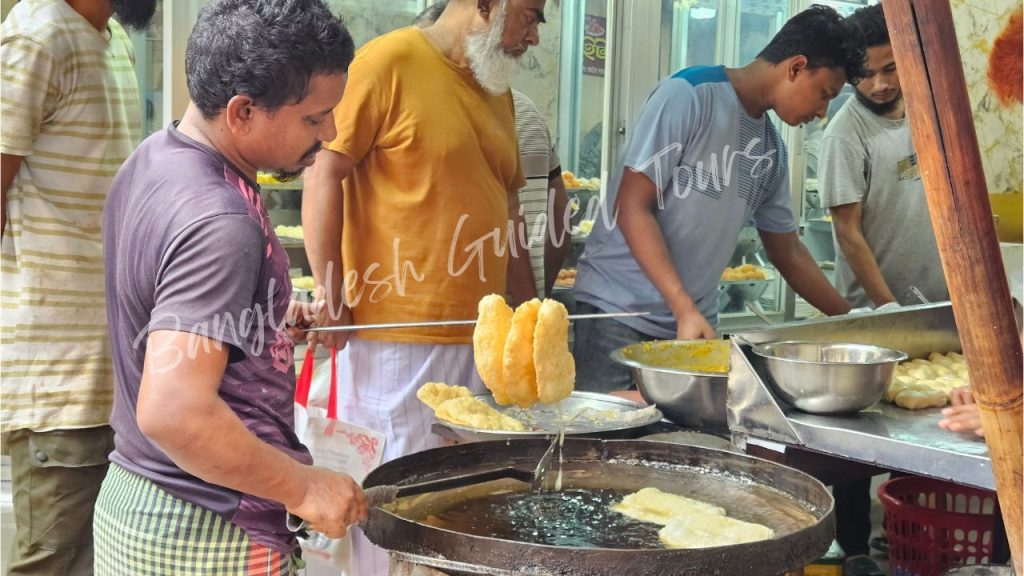
Boro Daler Puri is one of the most iconic traditional street foods in Old Dhaka, loved for generations as a classic Bengali breakfast and evening snack. Deeply connected to the local food culture of Bangladesh, this flavorful dish has long been a favorite among workers, students, travelers, and street food lovers searching for authentic and affordable local cuisine in Dhaka.
The name “Boro Daler Puri” refers to a rich and hearty mixture of lentils used as the savory filling inside the puri. Each puri is carefully prepared by stuffing soft dough with spicy mashed lentils before being deep-fried until golden brown and perfectly fluffy. The result is a delicious combination of crispy outer layers and soft, flavorful filling inside — creating one of the most satisfying traditional snacks in Old Dhaka.
Freshly served hot from roadside stalls and local food shops, Boro Daler Puri is usually paired with tangy aloo bhaji, a spicy potato curry infused with green chilies and traditional Bengali spices. This classic combination delivers the perfect balance of crunch, softness, spice, and comfort, making it one of the best street breakfast experiences in Bangladesh.
For tourists and food explorers joining an Old Dhaka Hygienic Food Tour, tasting Boro Daler Puri offers a true glimpse into the everyday food culture of historic Dhaka. It is affordable, filling, flavorful, and deeply rooted in Bengali culinary tradition. Whether enjoyed during a morning food walk or as an evening street snack, this beloved local delicacy remains an essential part of Old Dhaka’s vibrant street food scene and a must-try dish for anyone wanting to experience the authentic taste of Bangladesh.
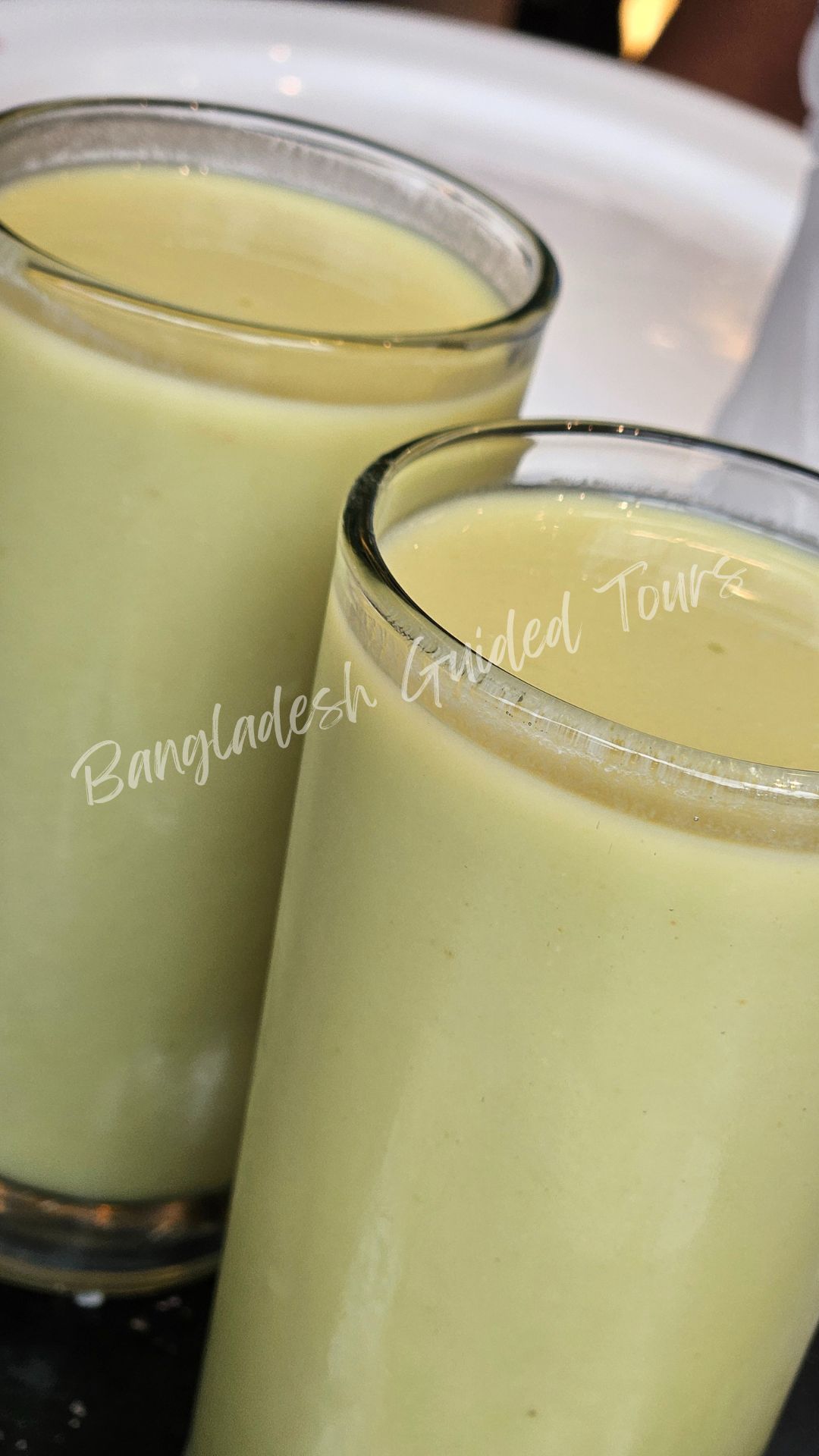
Borhani is one of the most iconic traditional drinks in Old Dhaka, celebrated for generations as the royal beverage of Mughal and Nawab aristocracy in Bangladesh. Rich in history, flavor, and cultural significance, this famous yogurt-based drink remains an essential part of every authentic Old Dhaka feast, especially after enjoying heavy dishes like Kacchi Biriyani, Morog Polao, or traditional Mughlai cuisine.
Unlike ordinary lassi or yogurt drinks, traditional Borhani is known for its unique savory, tangy, and spicy flavor profile. Prepared with thick yogurt and blended with a secret mix of traditional spices, Borhani delivers a refreshing and unforgettable taste experience. Common ingredients include mustard seeds, fresh mint leaves, roasted cumin, coriander, black salt, and spicy green chili, creating a bold combination of cooling freshness and rich aromatic spice.
Served chilled in restaurants, wedding feasts, and street food destinations across Old Dhaka, Borhani is widely loved for its ability to balance the richness of oily and spicy foods. Locals consider it the perfect digestive drink, helping cleanse the palate and refresh the body after a heavy traditional meal. Its sour, spicy, and slightly minty taste makes it one of the most unique and authentic beverages in Bangladeshi cuisine.
For travelers exploring the vibrant street food culture of Dhaka, tasting traditional Borhani is a must-have culinary experience. It is more than just a drink — it is a symbol of Old Dhaka’s royal food heritage and a timeless part of Bangladesh’s historic dining tradition. Whether enjoyed during a wedding celebration, food tour, or traditional feast, Borhani perfectly completes the authentic Old Dhaka food experience.
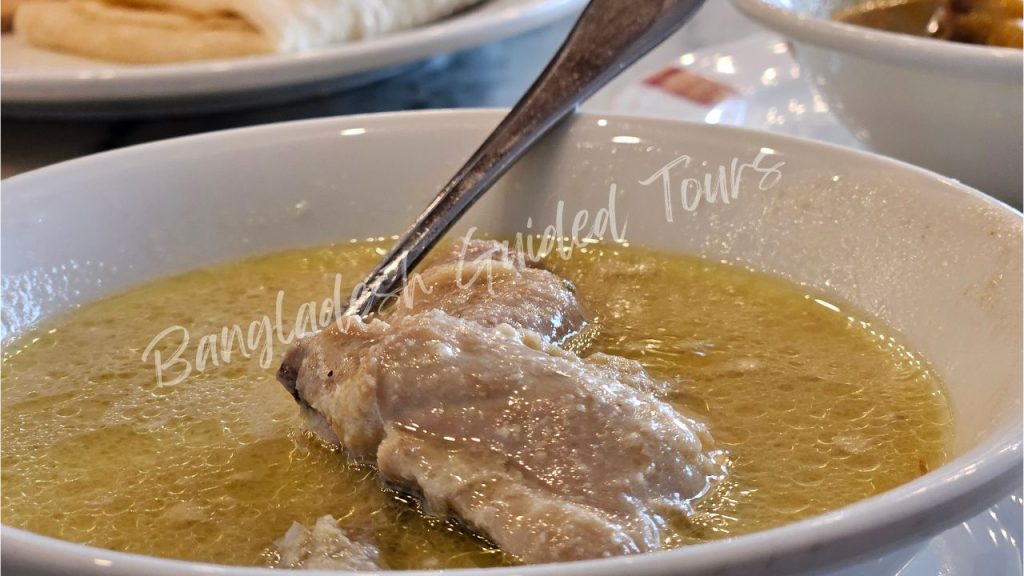
Murghir Soup is one of the most loved evening street foods in Old Dhaka, famous for its rich flavor, comforting warmth, and unique local twist on classic chicken soup. Found simmering in large steaming pots at busy roadside food stalls across historic Dhaka, this delicious soup has become a favorite late-night snack among locals, travelers, students, and street food lovers exploring the vibrant culinary culture of Bangladesh.
Inspired by traditional chicken corn soup but transformed with authentic Old Dhaka flavors, Murghir Soup features tender shredded chicken, sweet corn, flavorful broth, and soft egg drop textures that create a thick and satisfying meal. What makes this popular Bangladeshi street soup truly special is the addition of local spices, regional sauces, freshly ground black pepper, and a generous topping of crunchy crispy noodles that add extra texture and flavor to every spoonful.
Served hot and fresh, Murghir Soup is especially popular during cool evenings in Dhaka, offering the perfect balance of warmth, spice, and comfort. The combination of savory chicken broth, aromatic seasoning, and local street food preparation style creates a unique fusion of Asian comfort food and traditional Bangladeshi taste.
For travelers joining an Old Dhaka Hygienic Food Tour, tasting Murghir Soup is a must-try street food experience that showcases the city’s evolving food culture and local creativity. Affordable, filling, and deeply comforting, this flavorful soup remains one of the best evening snacks in Old Dhaka and a hidden gem within Bangladesh’s thriving street food scene.
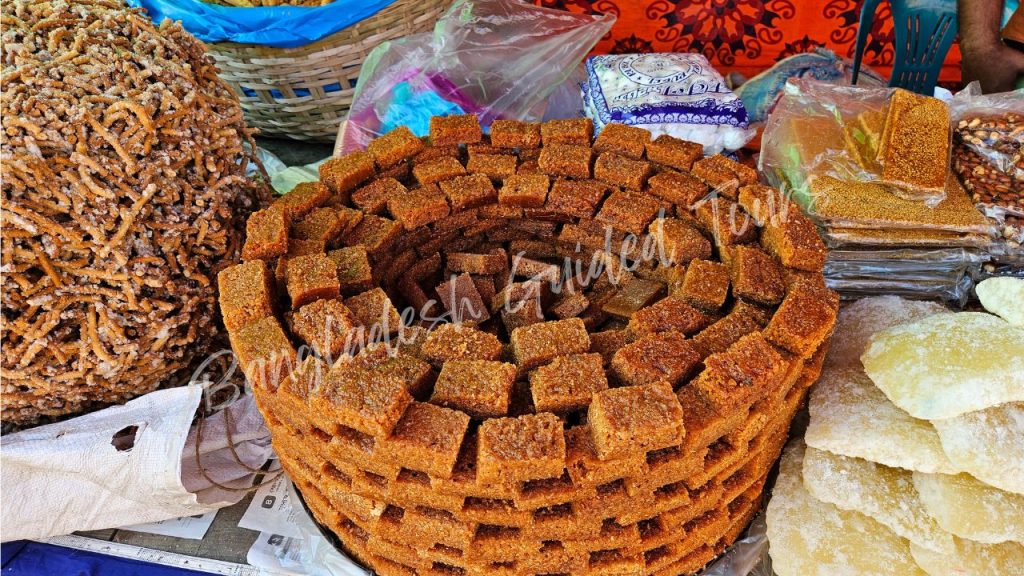
Gurer Sandesh is one of the most famous and traditional Bengali sweets, loved across Bangladesh for its rich flavor, soft texture, and deep cultural heritage. This seasonal delicacy is especially popular during winter, when fresh date palm jaggery, known locally as Nolen Gur, becomes available. In Old Dhaka and throughout Bengal, Gurer Sandesh represents the authentic taste of Bengali tradition and the centuries-old art of handcrafted sweet-making.
Prepared using fresh chhena (cottage cheese) and premium-quality Nolen Gur, this iconic Bangladeshi dessert is known for its smooth, fudgy texture and naturally rich sweetness. Unlike many sweets made primarily with white sugar, Gurer Sandesh relies on the deep caramelized flavor of date palm jaggery, giving it a warm, earthy, and molasses-like taste that is both unique and unforgettable.
The use of fresh winter jaggery makes this sweet especially aromatic and flavorful, turning it into a seasonal favorite among locals, tourists, and dessert lovers exploring traditional Bengali cuisine. Every bite of Gurer Sandesh reflects the heritage, craftsmanship, and authentic culinary traditions of Bengal, making it one of the most culturally significant sweets in Bangladesh.
For visitors exploring the food culture of Old Dhaka, tasting traditional Gurer Sandesh is a must-have dessert experience. Whether enjoyed after a rich Mughlai meal or during a winter street food tour, this classic Bengali sweet offers a perfect combination of history, flavor, and tradition. Its delicate sweetness and authentic ingredients make Gurer Sandesh one of the best traditional desserts to try in Bangladesh and an essential part of any Old Dhaka food journey.
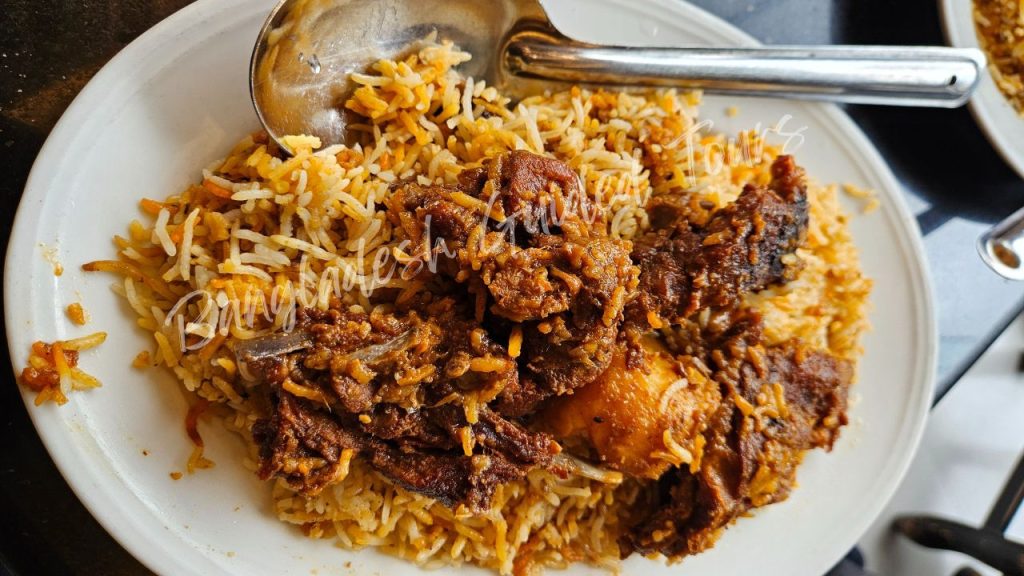
Kacchi Biryani is widely known as the undisputed king of biryanis in Old Dhaka and one of the most iconic dishes in Bangladeshi culinary heritage. The word “Kacchi” means raw, referring to the traditional dum pukht cooking method where raw marinated meat, raw basmati rice, and aromatic spices are slow-cooked together in a sealed pot over low heat. This ancient Mughlai cooking technique creates an unforgettable depth of flavor that defines authentic Old Dhaka biryani.
Prepared with tender pieces of mutton or goat, Kacchi Biryani is layered with fragrant rice infused with saffron, rose water, pure ghee, and a blend of traditional spices. Often served with a soft boiled potato, this legendary dish delivers a perfect balance of richness, aroma, and texture. Every grain of rice is fully absorbed with spice and meat juices, creating a deeply flavorful and luxurious eating experience.
One of the most remarkable features of Old Dhaka Kacchi Biryani is its irresistible aroma. When the sealed pot is opened, the rich scent of ghee, spices, and slow-cooked meat instantly fills the air, making it one of the most anticipated food moments in Bangladeshi cuisine. The meat becomes incredibly tender, while the rice remains fluffy, fragrant, and perfectly coated with savory flavors.
For travelers and food lovers exploring Old Dhaka, tasting authentic Kacchi Biryani is an essential culinary experience. It represents celebration, tradition, and the royal Mughlai heritage of Bangladesh. Whether enjoyed at famous restaurants or during an Old Dhaka food tour, Kacchi Biryani remains one of the most iconic and must-try dishes in Bangladesh’s rich street food and heritage food culture.
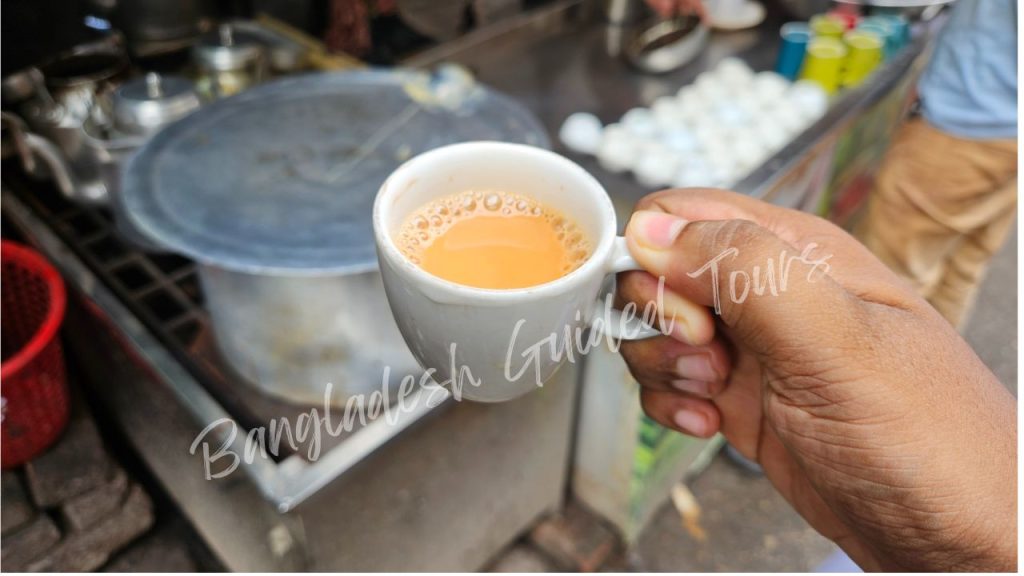
Khaati Gorur Dudher Cha is one of the most beloved traditional drinks in Old Dhaka and an essential part of Bangladesh’s vibrant tea culture. Known as “khaati” (meaning authentic), this rich and creamy milk tea is a powerful symbol of daily life in Dhaka, fueling the city’s nonstop energy and street-side conversations.
Prepared using strong black tea leaves, this iconic Old Dhaka milk tea is boiled vigorously with fresh, unprocessed cow’s milk and a generous amount of sugar. The result is a thick, creamy, malty, and intensely flavorful beverage that delivers both a strong caffeine boost and a comforting sweetness in every sip. Its rich texture and deep taste make it one of the most satisfying traditional teas in Bangladesh.
Khaati Gorur Dudher Cha is more than just a drink — it is a cultural experience and a social ritual deeply rooted in Old Dhaka street life. Served in small ceramic or glass cups at roadside tea stalls, it brings people together for conversations, relaxation, and a short escape from the city’s busy rhythm. Watching the lively streets of Old Dhaka while sipping this warm, comforting tea is an unforgettable local experience.
For travelers exploring Old Dhaka, tasting authentic Gorur Dudher Cha is a must-try experience during any street food tour. It represents the heart of Bangladeshi tea culture — simple, strong, and deeply connected to everyday life. Whether enjoyed in the morning or evening, this traditional milk tea remains one of the most iconic beverages in Old Dhaka’s rich culinary landscape.
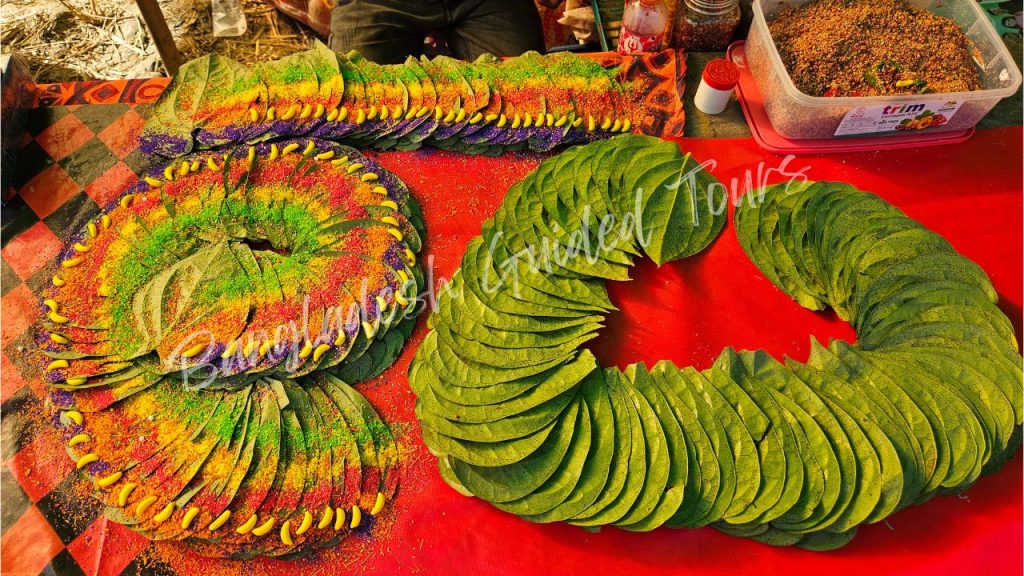
Mishti Paan is one of the most iconic and traditional post-meal desserts in Old Dhaka, deeply rooted in South Asian culinary and cultural heritage. Known for its colorful presentation and refreshing taste, this sweet betel leaf delicacy is often enjoyed after a rich Bangladeshi feast as a natural palate cleanser and breath freshener.
Carefully prepared by wrapping a fresh betel leaf with a variety of sweet and aromatic fillings, Mishti Paan offers a unique burst of flavors. Common ingredients include sweetened fennel seeds, shredded coconut, rock candy, cardamom, and fragrant rose petal preserve (gulkand). Each bite delivers a refreshing blend of minty, sweet, and floral notes that perfectly balance the richness of traditional Old Dhaka dishes.
This ceremonial dessert is widely available at street stalls, paan shops, and traditional food spots across Old Dhaka. Beyond its taste, Mishti Paan is also known for its cultural significance, symbolizing hospitality, celebration, and the completion of a grand meal in Bengali tradition.
For travelers exploring Old Dhaka, tasting authentic Mishti Paan is an essential cultural experience. It represents the perfect ending to a Mughlai or traditional Bengali feast, offering a refreshing, aromatic, and visually beautiful conclusion to the vibrant street food journey.
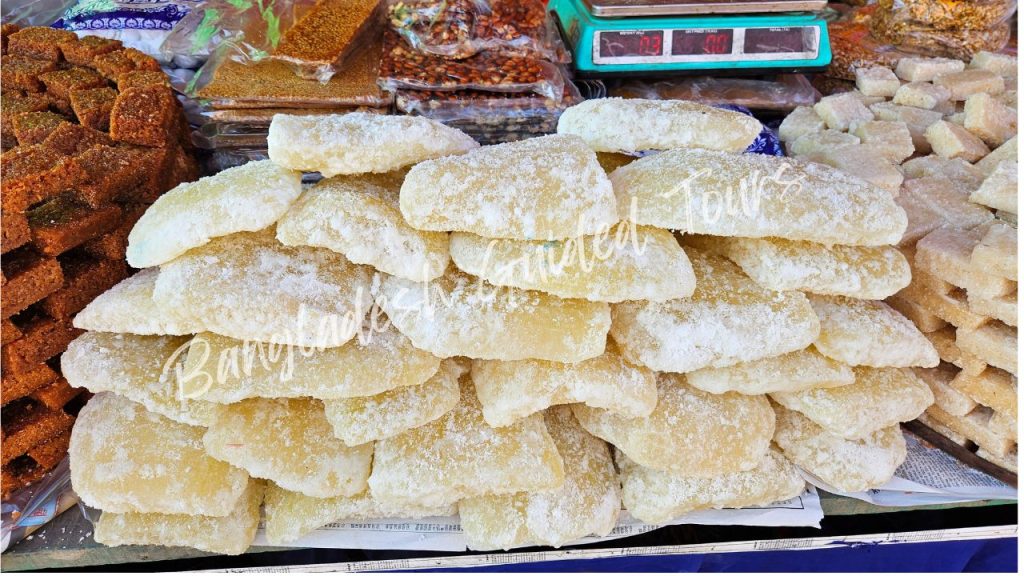
Jali Kumrar Morobba is a traditional and elegant Bengali sweet preserve from Old Dhaka, deeply rooted in Mughal-era culinary heritage. This unique delicacy is especially popular among foreign tourists who want to explore authentic and lesser-known traditional sweets of Bangladesh. Made from winter melon (ash gourd), it reflects the rich history, creativity, and refined taste of Bangladeshi aristocratic food culture.
In this classic preparation, cubes of winter melon are carefully processed and slowly candied in thick sugar syrup until they become soft, translucent, and beautifully glazed. The slow preservation process enhances the natural texture of the vegetable, transforming it into a luxurious dessert with a delicate sweetness and light floral aroma.
Unlike modern Western-style preserves, Jali Kumrar Morobba offers a subtle, cooling, and naturally refreshing flavor profile. It is traditionally enjoyed as a digestive sweet after meals or as a special treat during festive seasons and cultural gatherings in Old Dhaka.
For foreign tourists exploring Bangladeshi cuisine, tasting Jali Kumrar Morobba provides a rare glimpse into the country’s historical sweet-making traditions. It represents the Mughal influence on Bengali desserts and showcases how simple local ingredients are transformed into sophisticated culinary heritage items.
A must-try for food lovers and cultural travelers, this traditional Old Dhaka sweet preserve offers an unforgettable experience of authentic Bangladeshi flavors, history, and hospitality.
Morog Polao, also known as Whole Chicken Pilaf, is one of the most elegant and traditional dishes in Old Dhaka and a must-try experience for foreign tourists exploring authentic Bangladeshi cuisine. Often served at weddings, festivals, and grand celebrations, this classic dish represents the refined side of Bengali Mughlai-inspired food culture.
Unlike the rich and spicy profile of Kacchi Biryani, Morog Polao is known for its light, aromatic, and delicately flavored rice. It is prepared using premium fragrant basmati rice cooked in a mild yet flavorful broth made with ginger, garlic, yogurt, ghee, and whole spices. This careful preparation results in soft, fluffy rice with a subtle yellowish tint and an incredibly fragrant aroma.
The dish is typically served with a large, tender piece of slow-cooked chicken that absorbs all the mild spices and enhances the overall flavor experience. Morog Polao is less spicy compared to biryani, making it ideal for those who prefer a gentle, aromatic, and balanced taste rather than strong heat.
For foreign tourists visiting Old Dhaka, tasting Morog Polao offers a unique insight into traditional Bangladeshi celebration food. It is a symbol of hospitality, culture, and festive dining, showcasing how simple ingredients are transformed into a luxurious and comforting meal.
Whether enjoyed at a wedding feast or during a cultural food tour in Old Dhaka, Morog Polao remains one of the most iconic and satisfying traditional dishes in Bangladesh, offering a perfect blend of aroma, tradition, and authentic flavor.
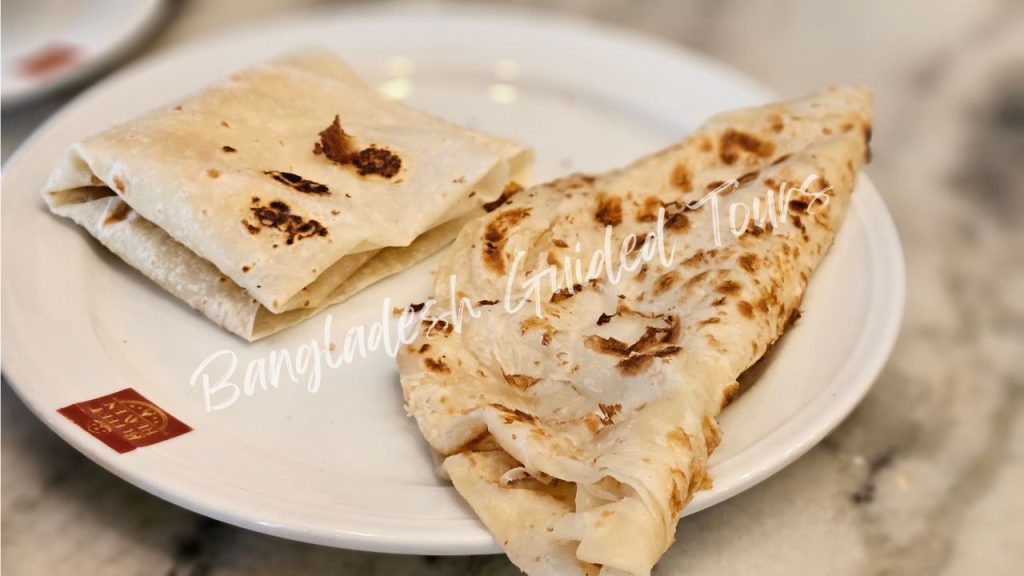
Rumali Ruti and Porota are two essential traditional flatbreads in Old Dhaka, widely enjoyed with rich curries and Mughlai-inspired dishes. For foreign tourists exploring authentic Bangladeshi cuisine, these breads offer a perfect introduction to the textures, techniques, and flavors that define everyday food culture in Dhaka.
Rumali Ruti, also known as “handkerchief bread,” is famous for its ultra-thin, soft, and delicate texture. It is skillfully cooked on an inverted tawa, creating a light and flexible bread that can easily wrap around spicy curries or soak up rich gravies. Watching its preparation is a unique street food experience in Old Dhaka, as skilled cooks stretch and cook the dough in seconds, turning it into a paper-thin masterpiece.
On the other hand, Porota (Paratha) is a layered, flaky, and pan-fried flatbread that offers a richer and more satisfying bite. Made with multiple folds of dough and cooked with oil or ghee, Porota has a crispy exterior and soft, layered inside. It is commonly served with spicy meat curries, vegetable dishes, or as a hearty breakfast option across Old Dhaka.
Together, Rumali Ruti and Porota represent two contrasting yet complementary sides of Bangladeshi bread culture—one light and delicate, the other rich and flaky. For travelers on a food tour in Old Dhaka, tasting both breads is essential to fully enjoy the wide variety of traditional curries and street food dishes.
These iconic flatbreads are not just food items—they are a reflection of Bangladeshi culinary artistry, tradition, and everyday dining culture, making them a must-try experience for anyone visiting Old Dhaka.
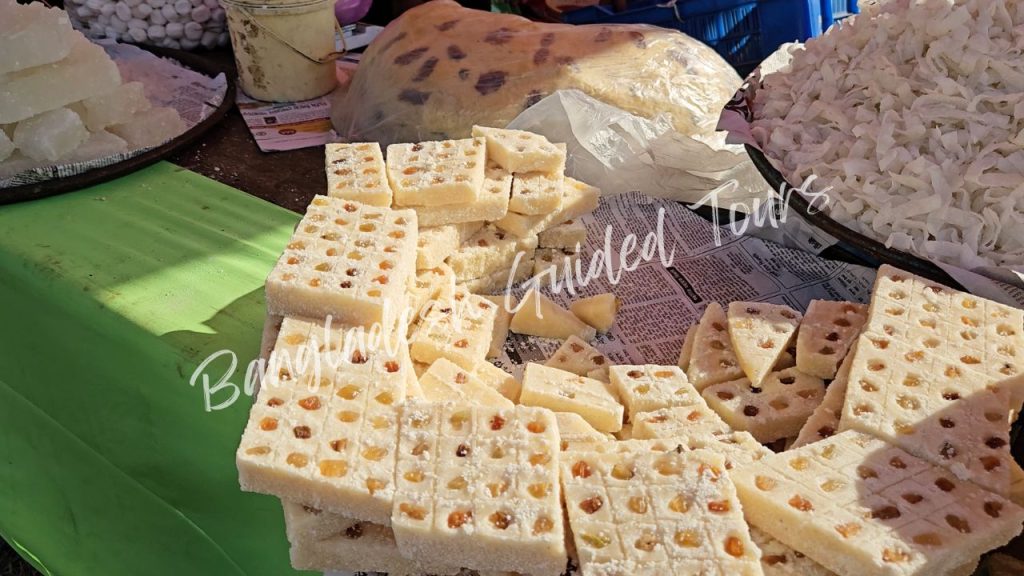
Sandesh is one of the most iconic and traditional Bengali sweets widely available in Old Dhaka’s sweet shops every day. Unlike seasonal varieties such as Gurer Sandesh, the classic Sandesh made with white sugar is a year-round delicacy and a staple of Bengali dessert culture in Bangladesh.
This ancient sweet is carefully prepared using finely kneaded chhena (fresh cottage cheese), sugar, and subtle natural flavorings such as cardamom or saffron. The result is a soft, delicate, and mildly sweet confection that reflects the simplicity and elegance of traditional Bengali dairy-based sweets.
Sandesh is known for its smooth texture, light milky flavor, and pure taste that melts in the mouth. It is available in different shapes and styles, but its core identity remains the same—clean, fresh, and minimally sweet, allowing the natural richness of chhena to shine through.
In Old Dhaka, Sandesh is often enjoyed as a dessert after meals or paired with a hot cup of traditional Bengali tea (Cha), making it a perfect combination for locals and travelers alike. Its simplicity is what makes it timeless, offering an authentic taste of Bangladesh’s rich sweet-making heritage.
For foreign tourists exploring Old Dhaka food culture, tasting traditional Sandesh is a must-try experience. It represents the heart of Bengali dessert tradition and showcases how simple ingredients can create one of the most beloved sweets in Bangladesh.
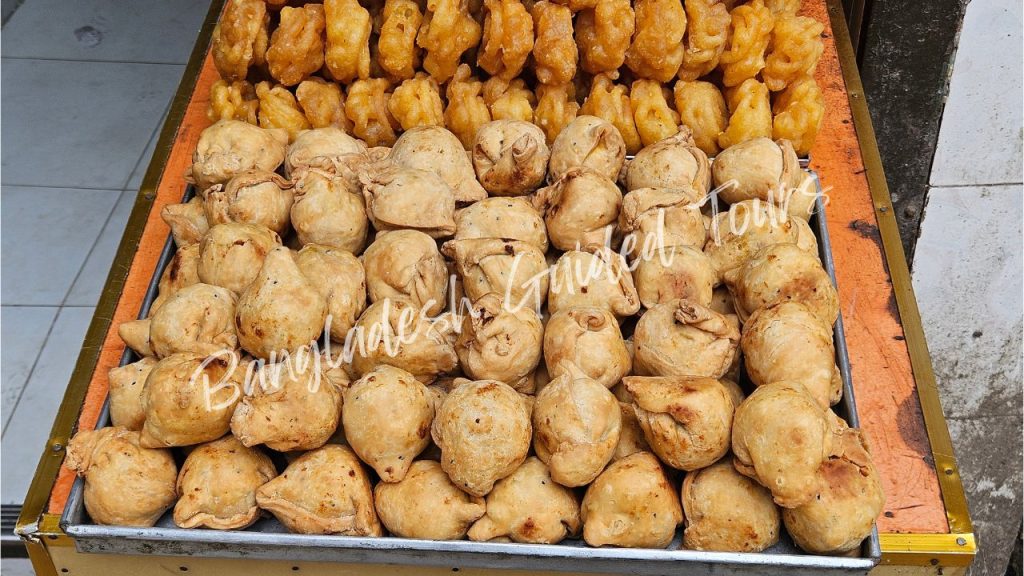
Shingara is one of the most popular and iconic street snacks in Old Dhaka, widely enjoyed as a traditional evening tiffin across Bangladesh. Known globally in a similar form as samosa, the Old Dhaka Shingara has its own unique identity, flavor, and cultural significance, making it a must-try street food experience for foreign tourists exploring authentic Bangladeshi cuisine.
Freshly prepared in roadside stalls and local snack shops, Shingara is always served hot straight from the fryer. This crispy, deep-fried triangular pastry is made with a thick, crunchy outer shell that delivers a satisfying bite and golden texture.
Inside, it is generously filled with a savory and spicy mixture of diced potatoes, green peas, and sometimes additional ingredients like cauliflower or peanuts, all blended with traditional Bangladeshi spices. The contrast between the crunchy exterior and soft, flavorful filling makes Shingara one of the most loved street foods in Old Dhaka.
Shingara is especially popular during evening tea time, where it is commonly paired with hot milk tea (cha) at roadside stalls. It represents the heart of Dhaka’s street-side snack culture—affordable, filling, and full of bold flavors.
For foreign tourists visiting Old Dhaka, tasting traditional Shingara is an essential culinary experience. It reflects everyday Bangladeshi food habits and offers a perfect introduction to the rich, spicy, and vibrant world of Dhaka street food culture.
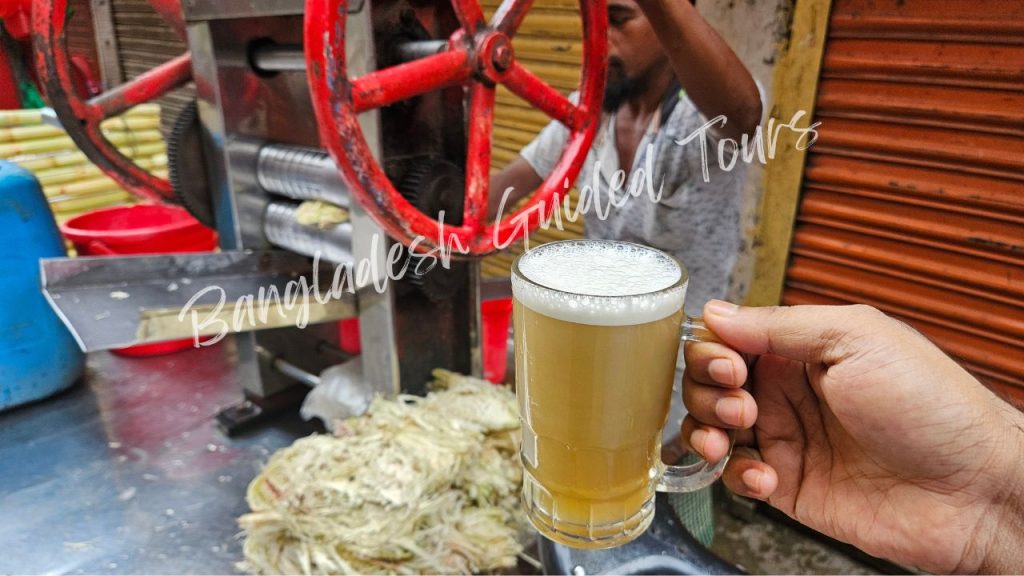
Sugarcane Juice is one of the oldest and most refreshing traditional street drinks in Old Dhaka, deeply rooted in the agricultural heritage of Bangladesh. For foreign tourists exploring authentic Bangladeshi street food culture, this natural beverage offers a pure and revitalizing experience straight from local roadside vendors.
Fresh sugarcane stalks are crushed on the spot using traditional pressing machines, extracting a naturally sweet, grassy, and highly refreshing juice. The entire preparation process is performed in front of customers, making it both a refreshing drink and an engaging street-side experience.
To enhance the flavor, many vendors add fresh ginger or tangy lime, giving the juice an extra kick of zest and aroma. The combination of natural sweetness and citrus or spicy notes makes it one of the most thirst-quenching drinks in Old Dhaka, especially in the hot and humid weather of Bangladesh.
Sugarcane Juice is not just a beverage—it is a symbol of traditional Bangladeshi street life. Watching the sugarcane crushing process is an entertaining street spectacle, offering tourists a glimpse into local culture and everyday food habits.
For foreign travelers visiting Old Dhaka, trying fresh Sugarcane Juice is a must-have experience. It is natural, healthy, affordable, and deeply connected to Bangladesh’s rural and urban food traditions, making it one of the most authentic street drinks in the city.
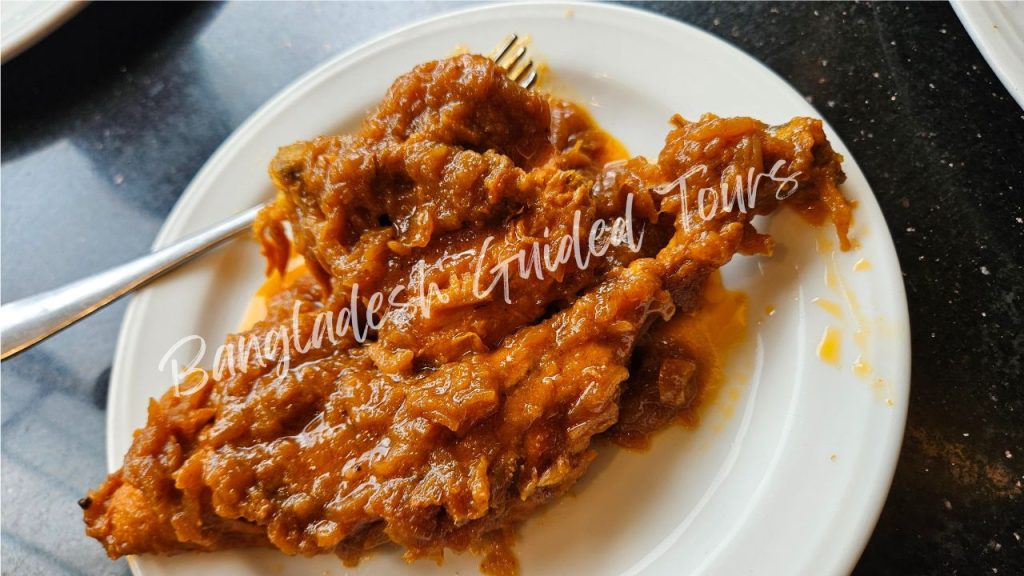
Chicken Rezala is one of the most refined and elegant Mughlai-inspired dishes in Old Dhaka, widely served at weddings, formal dinners, and traditional Bengali feasts. Known for its delicate flavor, rich texture, and aromatic complexity, this classic Bangladeshi curry is a must-try experience for foreign tourists exploring authentic Old Dhaka cuisine.
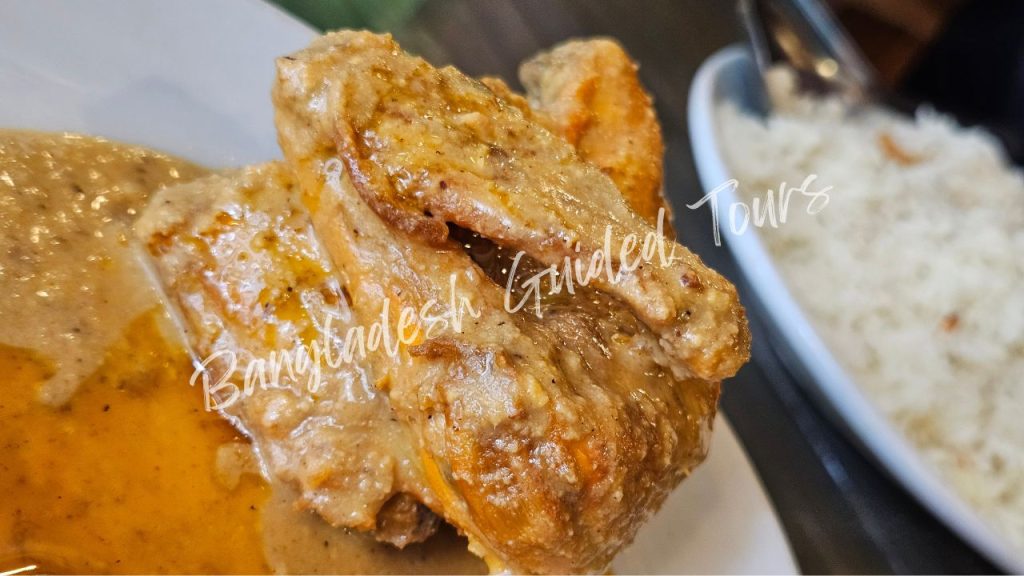
This sophisticated dish features tender chicken pieces slow-cooked in a thick, creamy, pale-yellow gravy. The luxurious sauce is prepared using yogurt, poppy seed paste, cashew nut paste, mace, cardamom, and other traditional Mughlai spices, creating a smooth and aromatic curry with a perfectly balanced flavor profile.
Unlike heavily spiced curries, Chicken Rezala is mild yet deeply flavorful, offering a subtle blend of creaminess and fragrance rather than intense heat. Its silky texture and rich aroma make it one of the most premium traditional dishes in Old Dhaka’s culinary heritage.
Chicken Rezala is commonly served at special occasions and is best enjoyed with fragrant Morog Polao or soft Rumali Ruti, enhancing its delicate taste and luxurious dining experience. Together, these pairings highlight the sophistication of Mughlai-influenced Bengali cuisine.
For foreign tourists visiting Bangladesh, tasting Chicken Rezala in Old Dhaka is an essential culinary experience. It represents the royal side of Bangladeshi food culture, combining tradition, elegance, and centuries-old cooking techniques into one unforgettable dish.
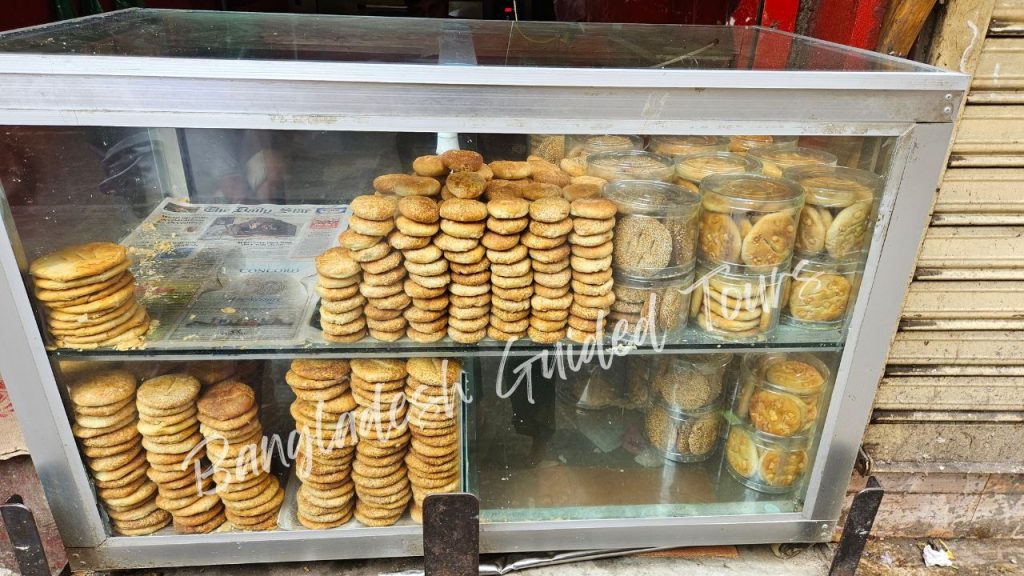
Bakarkhani is one of the most iconic and historically significant foods in Old Dhaka, often regarded as the “signature bread of Dhaka” and a symbol of the city’s rich Mughal culinary heritage. Deeply rooted in late Mughal-era history and local folklore, this traditional flatbread is a must-try experience for foreign tourists exploring authentic Bangladeshi food culture.
Named after the legendary noble Aga Bakar and his beloved Khani, Bakarkhani has been part of Old Dhaka’s food tradition for centuries. Unlike soft breads, it is known for its thick, hard, and layered biscuit-like texture, created through a unique process of repeated folding and baking in a traditional clay oven (tandoor). This craftsmanship gives Bakarkhani its signature crunch and long-lasting freshness.
The flavor of Bakarkhani is subtly rich and complex, often enhanced with ghee, cardamom, and sometimes light touches of sugar or cheese. This creates a unique balance of savory and mildly sweet taste, making it different from any other traditional flatbread in South Asia.
Bakarkhani is traditionally enjoyed in multiple ways—dipped in hot milk tea (Khaati Gorur Dudher Cha), paired with rich Mughlai curries, or eaten as a breakfast staple in Old Dhaka. Its versatility and long history make it one of the most culturally important foods in Bangladesh.
For foreign tourists visiting Old Dhaka, tasting Bakarkhani is not just about food—it is about experiencing centuries of history, tradition, and local craftsmanship in every bite. It remains a proud symbol of Dhaka’s culinary identity and an essential part of any authentic Old Dhaka food tour.
The food of Puran Dhaka (Old Dhaka) is not just a meal—it is a deep cultural journey into the history, heritage, and soul of Bangladesh. From royal Mughlai delicacies and aristocratic feasts to simple yet flavorful street-side snacks, every dish in Old Dhaka tells a story of centuries-old traditions, rich spices, and authentic local life.
Old Dhaka is one of the most iconic food destinations in Bangladesh, where travelers can experience legendary dishes, historic recipes, and vibrant street food culture all in one place. Each bite reflects a unique blend of Mughal influence, Bengali tradition, and local culinary craftsmanship that has been preserved for generations.
As your trusted local travel expert, Bangladesh Guided Tours offers a specially curated Old Dhaka food walk designed for both local and foreign tourists. This guided experience takes you through the bustling narrow alleys, famous food streets, and hidden local gems of Old Dhaka.
During the tour, you will be introduced to legendary food vendors, authentic traditional restaurants, and hygienic street food spots, ensuring a safe, enjoyable, and unforgettable culinary adventure. From iconic biryani and kebabs to sweets, snacks, and refreshing drinks, every stop offers a new taste of Bangladesh’s rich food heritage.
For foreign tourists and food lovers, this Old Dhaka food tour is more than sightseeing—it is a complete cultural experience. With expert local guidance, you can explore the real flavors of Dhaka in a safe, organized, and memorable way that goes beyond typical travel guidebooks.
Discover the true taste of Bangladesh with Bangladesh Guided Tours and experience why Old Dhaka is considered one of the most vibrant and historic food capitals in South Asia.